



Osaka Castle

Osaka Castle Park Tickets

Included with Osaka Castle tickets

Timings

RECOMMENDED DURATION

3 hours

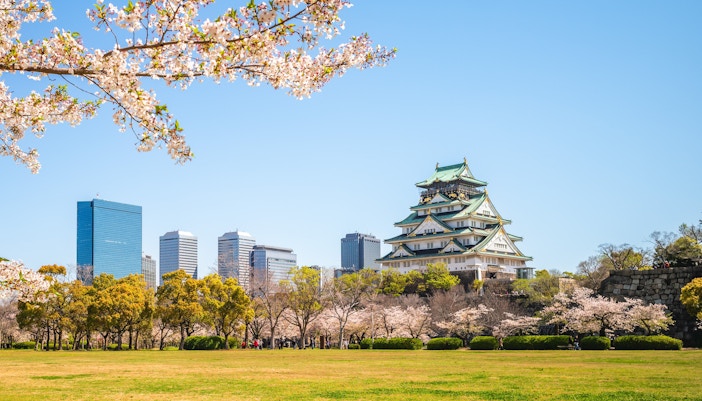
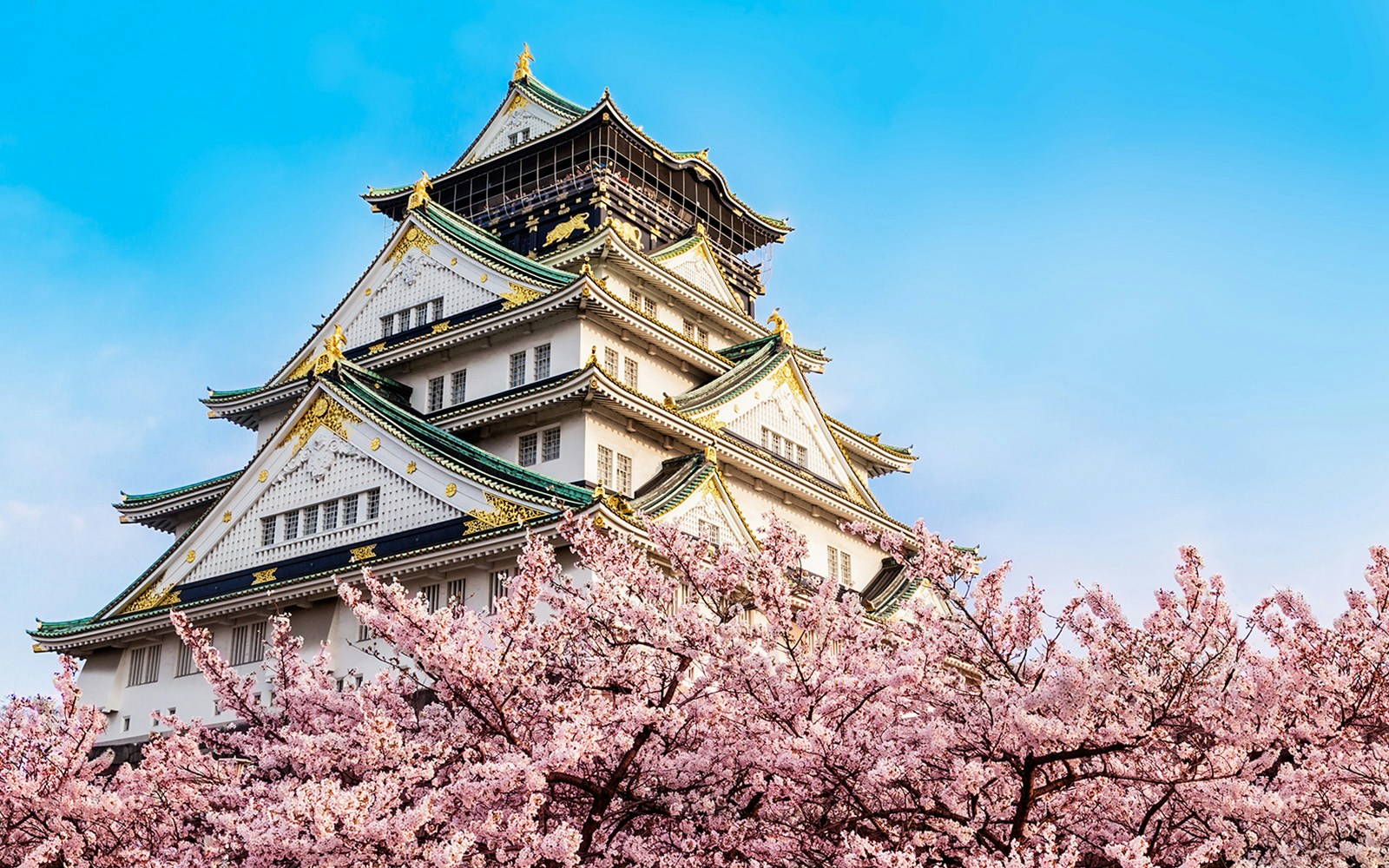
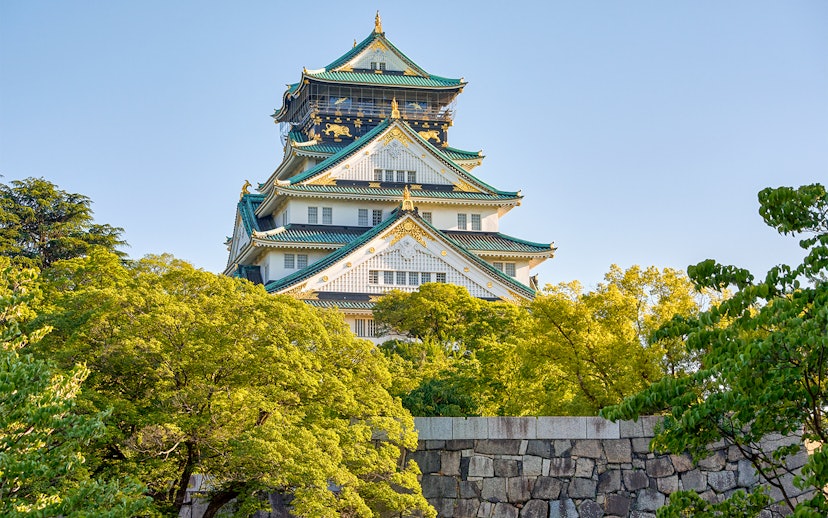
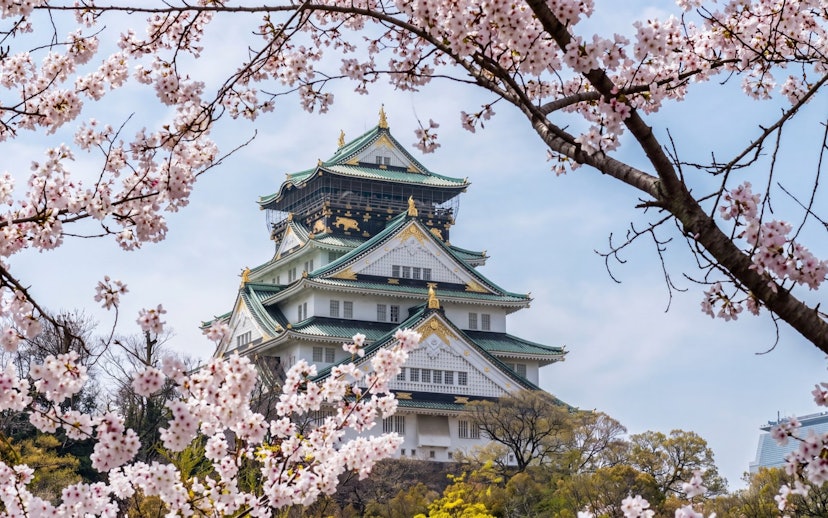
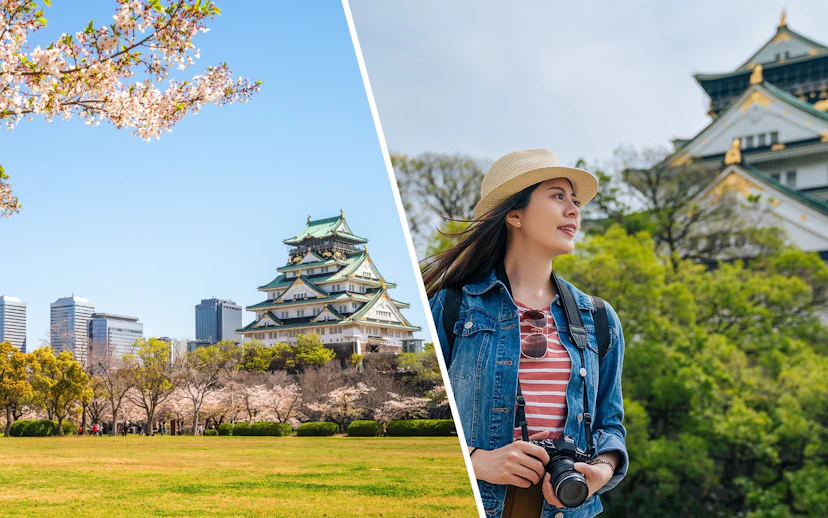
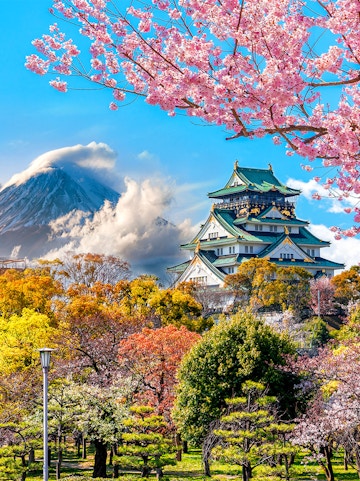
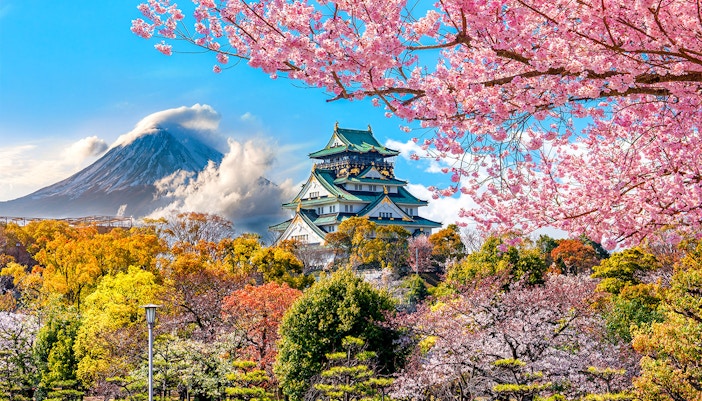
Osaka Castle with cherry blossoms in full bloom.

Top things to do in Osaka

Quick overview
  • Access: Included in all Osaka Castle tickets
  • Separate ticket: Not required (the grounds are free to enter)
  • When you'll see it: Start of your visit (crossed before reaching the main tower)
  • Visit duration: 60–90 mins self-guided/3 hours with a historical walking tour
  • Best time: 9am–10am on a weekday
  • Restrictions: None (carry water during summer due to limited shade)
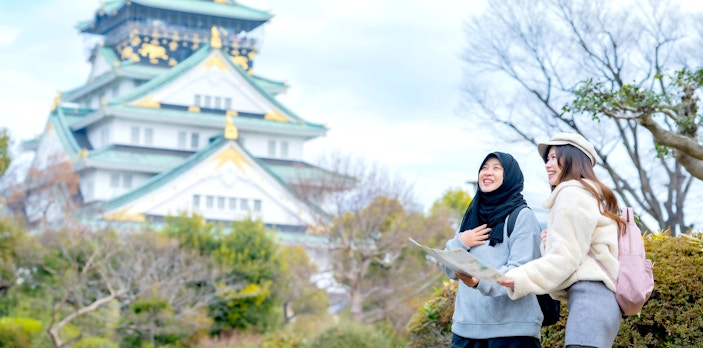
Two friends exploring Osaka Castle, Japan, with a map.

Osaka Castle Park is included with all Osaka Castle tickets, and no separate ticket is needed for the park itself. You’ll experience the grounds at the start of your visit, with a 10–20 minute walk from the nearest station to the keep-side core before reaching the main tower. Book skip-the-line tickets or the Osaka Castle 3-hour historical walking tour if you want tower access or richer context once you arrive.

How to best experience Osaka Castle Park
Best time to visit
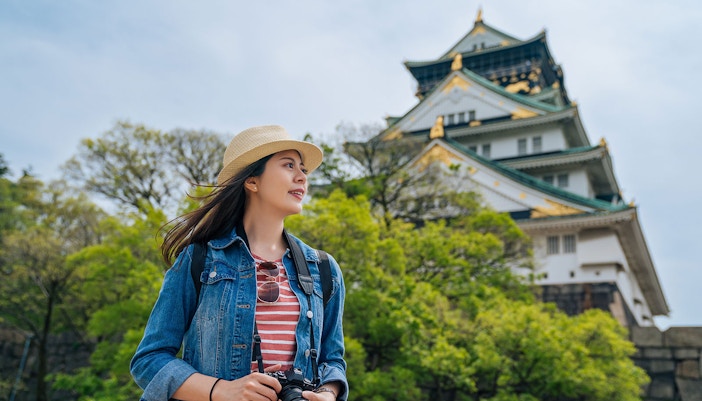
Aim for 9am–10am on a weekday if you want the park at its calmest. Light falls better on the keep façade, and large tour groups usually build later. If you arrive around noon, expect busier photo spots, denser paths near the inner moat, and less breathing room around the keep.

How long to spend

Allow 60–90 minutes for a park-only visit, or 2–3 hours if you’re pairing the grounds with the main tower. That gives you time for the moat, walls, and at least 1 slow circuit around the castle core. If you rush it into 30 minutes, the park becomes a walkway instead of part of the experience.

Where it fits in your itinerary

The park is the start of the Osaka Castle visit, not an add-on after the tower. From Osakajokoen Station or Tanimachi 4-chome Station, you’ll cross the grounds before reaching the keep-side core. Don’t stack this too tightly between other stops, or you’ll arrive at the castle already watching the clock.

Crowd patterns

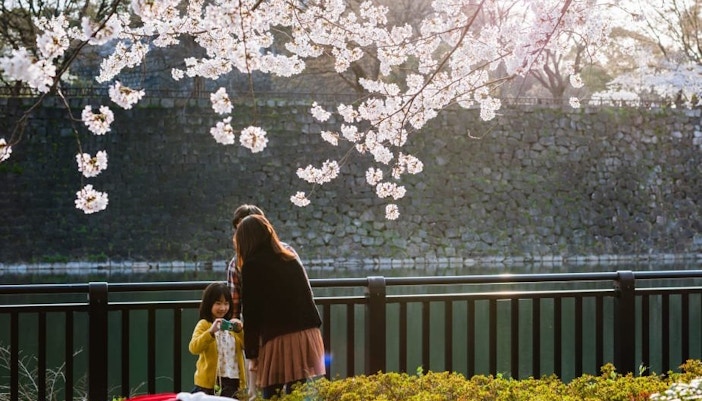
The park feels busiest from 11am–3pm, especially on weekends, holidays, and during cherry blossom season. That’s when the keep forecourt, moat viewpoints, and tower ticket area compress together. Earlier starts and late-afternoon walks feel more open, so don’t default to midday if photos matter to you.

What to prioritize if time is short

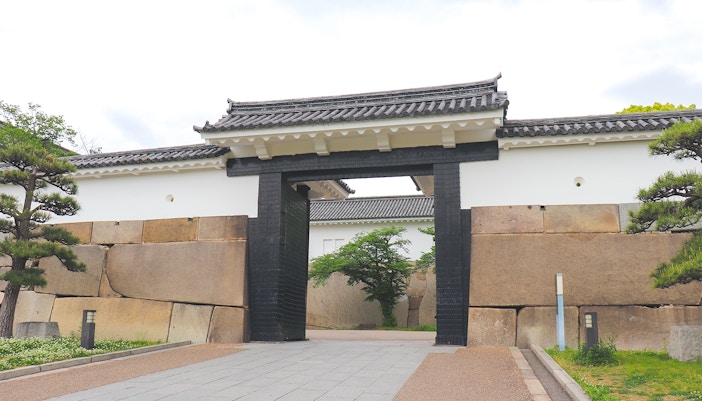
If you only have a short window, focus on the Otemon approach, the inner moat stone walls, and 1 clear castle-view angle from the west side. In cherry blossom season, shift that short visit to Nishinomaru Garden. Skip the outer lawns before you skip the moat-side views, because that’s where the castle’s scale reads best.

Common mistakes to avoid

Most visitors treat the park like a path to the museum and miss the defensive landscape entirely. Look at the stone walls and gate sequence, not only at the keep, and carry water in summer because the station-to-castle walk has limited shade. If you go inside first, circle the moat after, not before leaving.

Best tickets to experience Osaka Castle Park

Ticket typeWhy choose it

Skip-the-line castle ticket

Pair the free park with faster tower entry, and avoid on-site ticket lines before the museum and observation deck

Guided walking tour

Best if the gates, moat, shrine, and park layout matter as much as the keep itself

Combo or city pass

Best if Osaka Castle is one stop in a bigger day with skyline views, transit, or another headline attraction

Why it’s worth seeing

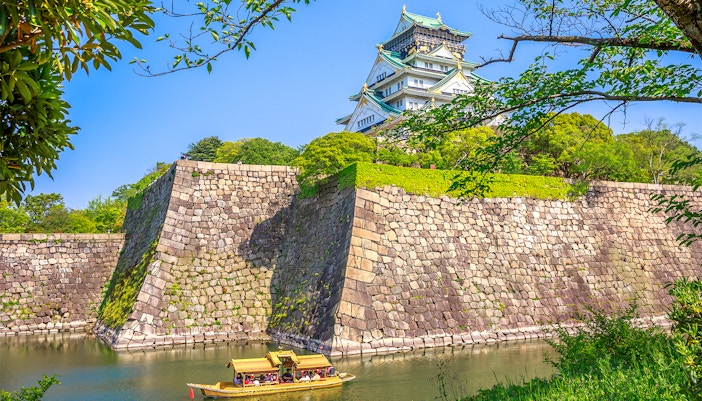
Osaka Castle Park matters because it lets you read the castle across moats, gates, slopes, and massive stone walls, not just from inside the museum. One detail most visitors miss is the Octopus Stone near Sakuramon Gate, a single slab measuring roughly 6 x 11 m. Follow the park in visitor-flow order and the keep stops feeling like an isolated photo stop.

Otemon Gate and the outer approach

Enter from Otemon Gate if you want the clearest first read of the site. The gate, bridge, and widening approach force you to experience the castle as a sequence rather than a single reveal. That matters because Osaka Castle was designed to control movement, and this entrance still lets you feel that slow tightening toward the center.

Inner moat walls and the keep-side core
Once you reach the keep-side core, pause beside the inner moat and the towering stone ramparts before heading indoors. This is where Osaka Castle’s scale lands hardest: huge fitted blocks below, the keep rising above, and water creating distance between you and the walls. The museum explains history, but the moat edge explains the castle’s defensive logic first.

Nishinomaru Garden

Finish on the west side at Nishinomaru Garden if you want the most balanced panorama of the castle. The open lawn pulls the keep out from the surrounding trees, which is why this becomes the signature blossom viewpoint in spring. It works best as the final zone because you’ve already seen the castle up close and can now read its full silhouette.

Historical & cultural significance

What feels like a city park today was once the defensive envelope of one of Japan’s most consequential fortresses. Built around Toyotomi Hideyoshi’s late-16th-century castle and later reshaped after the Tokugawa sieges, these grounds evolved from military terrain into a major public park anchored by the 1931 reconstructed keep. Today, Osaka Castle Park functions both as a historic landscape and as one of Osaka’s main gathering spaces for cherry blossoms, walks, and seasonal events.

👉 Explore the full history of Osaka Castle

Notable figures

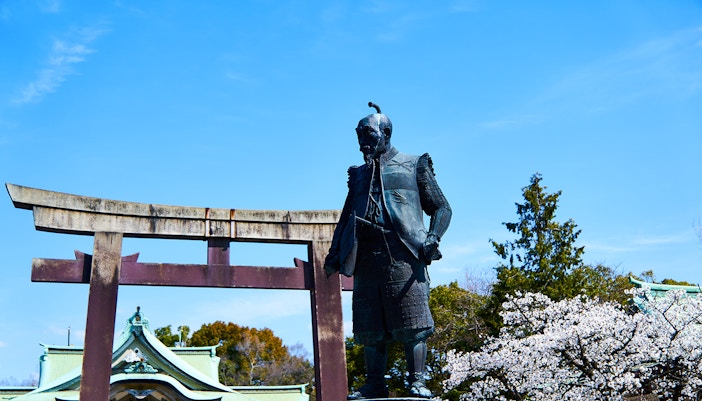
Toyotomi Hideyoshi | Warlord and commissioner

Commissioned the Osaka Castle in 1583 and made it the political symbol of his unification drive.

Know more

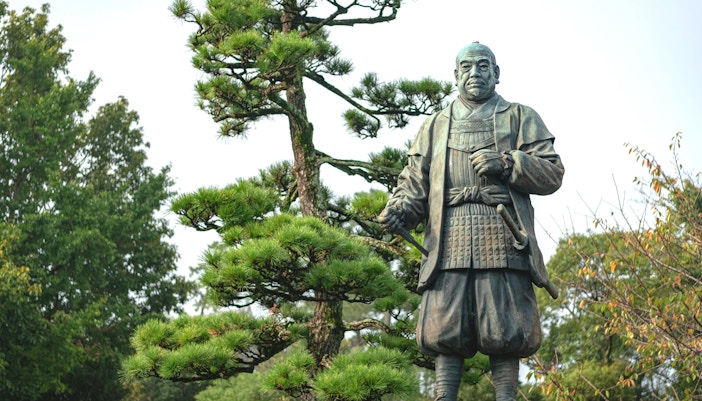
Tokugawa Ieyasu | Rival and conqueror

Led the sieges that ended Toyotomi control and reshaped Osaka Castle’s place in early Edo history.

Know more

Toyotomi Hideyori | Final defender

Hideyoshi’s son held Osaka Castle during its last Toyotomi chapter before the 1615 fall.

Know more

Know before you go

  • Main tower: 9am–5pm
  • Last entry: 4:30pm
  • Closed: December 28–January 1
  • Seasonal hours: Extended evening openings sometimes run during special events, including some blossom illuminations

Address: Osaka Castle Park, Osakajo, Chuo Ward, Osaka 540-0002, Japan | Find on Maps

  • Nearest JR station: Osakajokoen Station, around 15 minutes on foot to the keep-side core
  • Nearest subway: Tanimachi 4-chome Station, around 10–15 minutes on foot to Otemon Gate
  • Best access point: Use Otemon Gate if you want the shortest, clearest approach to the castle core
  • Direct access: Yes; the park is public, so you can walk the grounds without entering the main tower
  • Park paths: Mostly paved and manageable for wheelchairs and strollers
  • Wheelchair rental: Available at the visitor center
  • Main tower elevator: Runs to the 5th floor, with staff assistance available onward for wheelchair users
  • Strollers: Fine on the grounds, but they may be restricted inside the tower on very crowded days
  • Restrooms: Accessible toilets are available in the park and castle area
  • Flash photography: Not allowed in certain exhibit areas inside the castle
  • Large bags: Large luggage and bulky bags are not permitted inside the main tower
  • Strollers in tower: May be refused inside when upper floors get crowded; stroller check-in is available at the gate
  • Storage: Belongings can be deposited at the entrance counter for JPY100 per piece from 9am–4:30pm, with pickup by 5pm
  • Tripods: Tripods and professional photography equipment may be restricted inside exhibit areas

Frequently asked questions about Osaka Castle Park

Yes. Entry to Osaka Castle Park is included with every valid Osaka Castle ticket, and the grounds are free even without one.

More reads