



Osaka Castle

Osaka Castle Museum Tickets

Included with Osaka Castle tickets

Timings

RECOMMENDED DURATION

3 hours
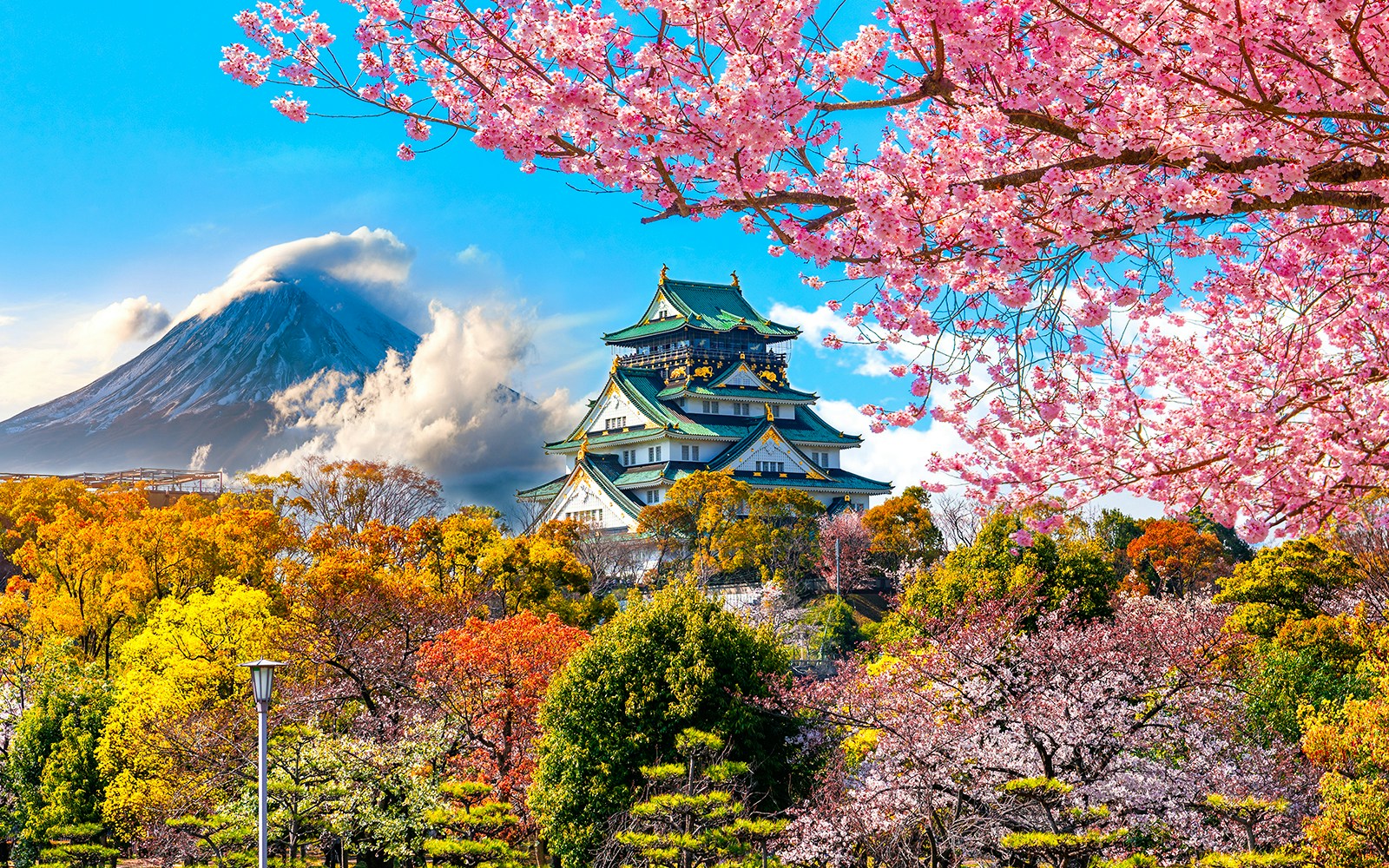
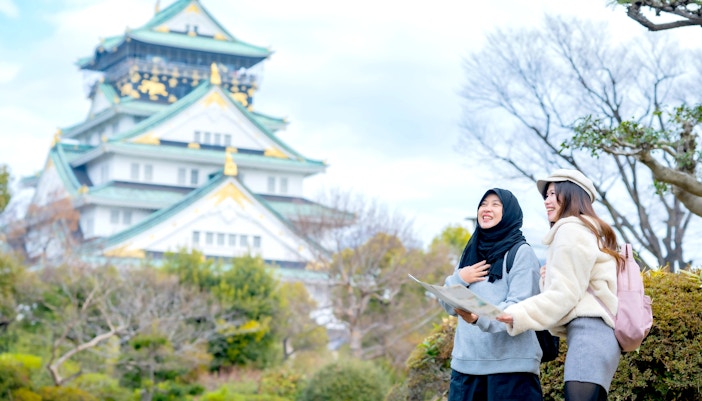
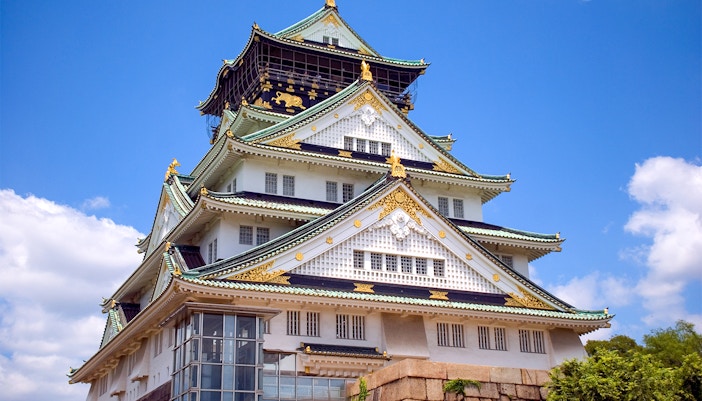
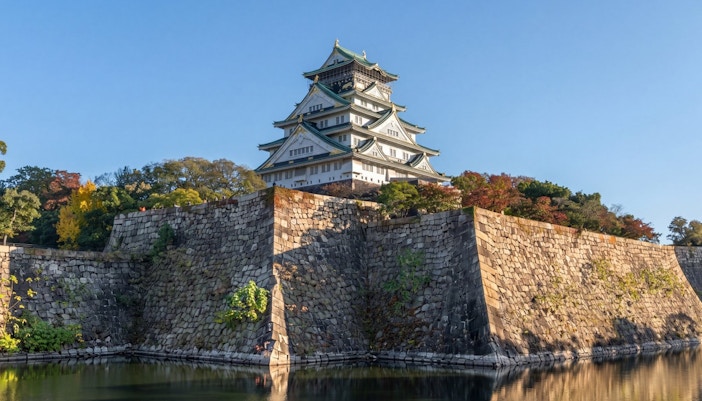
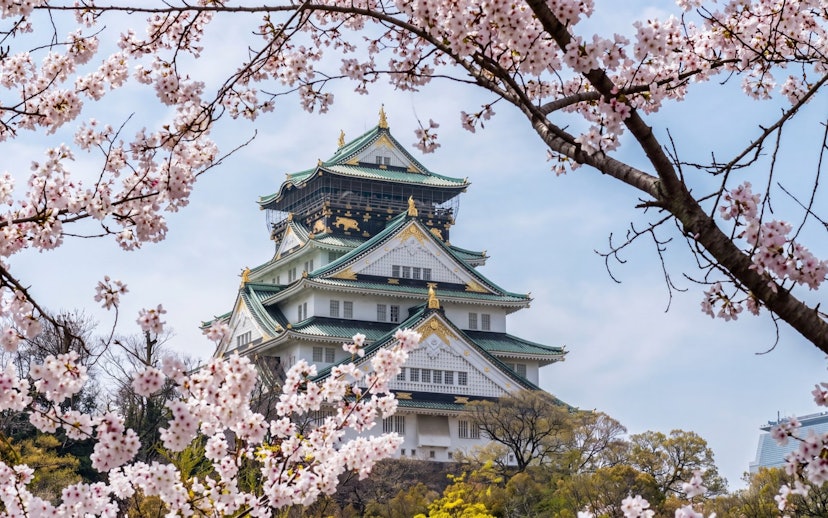
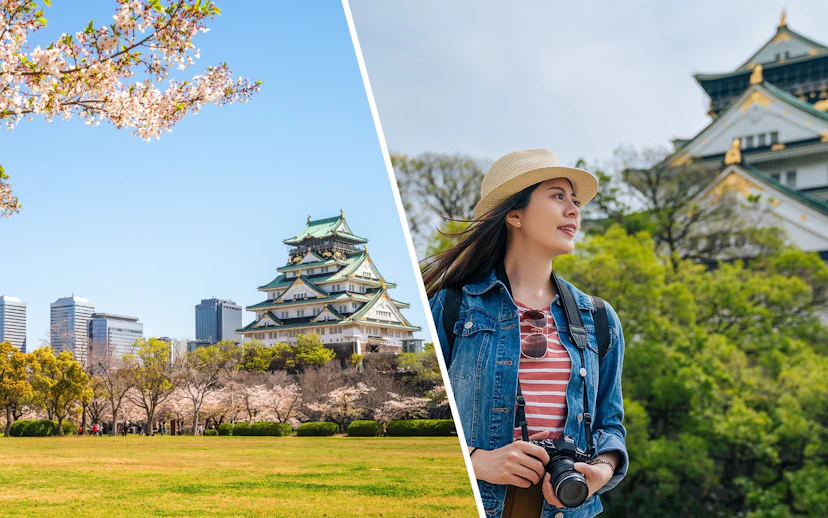
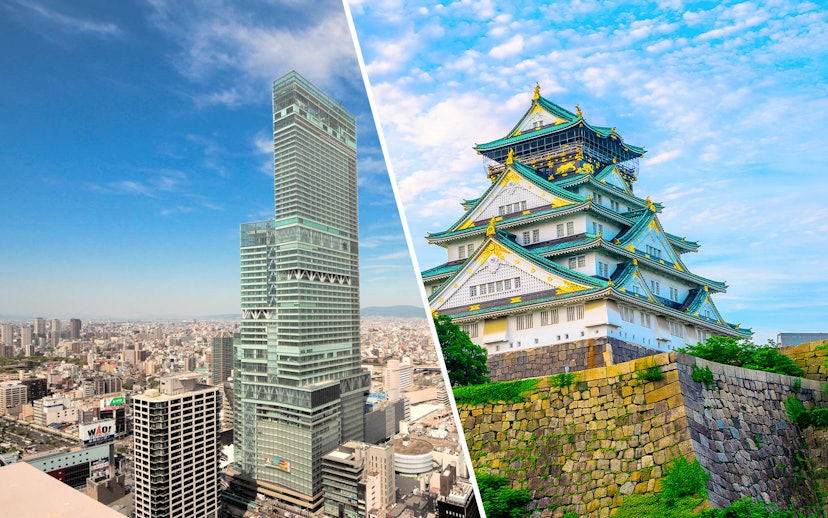
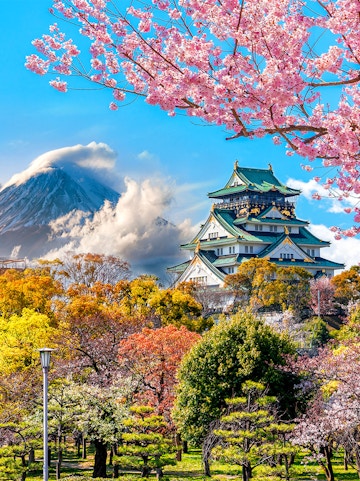
Osaka Castle with cherry blossoms and Mount Fuji in the background, Japan.

Top things to do in Osaka

Quick overview
  • Included in all tickets: Yes, entry is included with any valid Osaka Castle ticket or the Osaka Amazing Pass.
  • Position in route: Starts immediately upon entering the paid main keep tower, serving as the sequence you walk through to reach the top observation deck.
  • Duration: 60–75 minutes self-guided/90 minutes if you pause for the detailed battle displays and top-floor views.
  • Best time slot: First entry slot (9am) on a weekday to avoid long elevator lines and crowded viewing areas.
  • Rules: Photography is restricted in specific exhibit zones displaying sensitive historical artifacts (look for indoor signage).
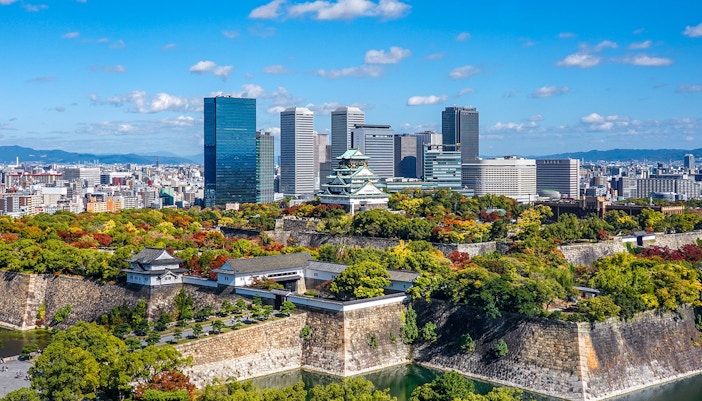
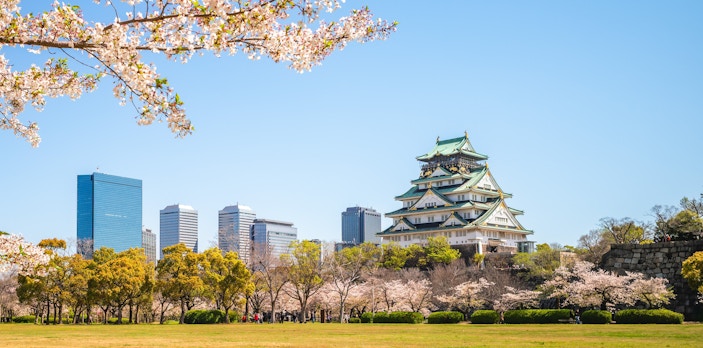
Nishinomaru Garden with cherry blossoms and Osaka Castle in the background, Japan.

The Osaka Castle Museum is included with all Osaka Castle tickets. No separate ticket is needed. It sits inside the main keep, so you reach it as soon as you enter the paid tower and then move through the museum route up toward the observation deck. Book a skip-the-line ticket or use the Osaka Amazing Pass if you want to avoid ticket-counter lines and start the visit with more time for the exhibits.

How to best experience Osaka Castle Museum
Best time to visit
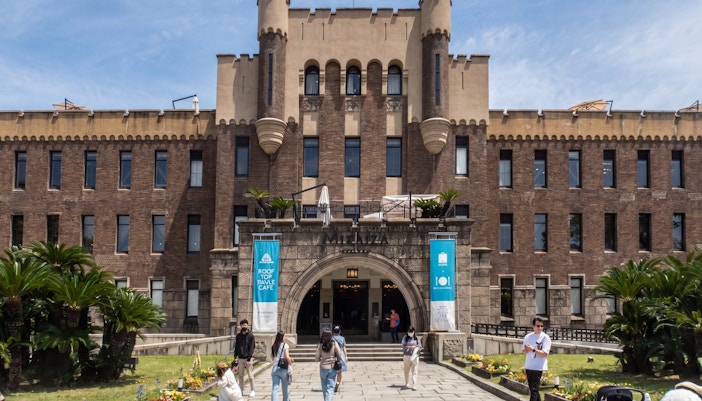
The first entry on a weekday is the calmest, especially outside cherry blossom season and summer vacation. By late morning, elevator lines and upper-floor viewing areas get noticeably tighter. If you want time to read displays properly, don’t target 11am–3pm.

How long to spend

Self-guided: allow 60–75 minutes. If you like reading labels, pausing at the battle displays, and spending time on the top-floor views, allow 90 minutes. If you cut it to 30 minutes, the museum becomes a staircase rush.

Where it fits in your itinerary

Treat the museum as the anchor of your Osaka Castle visit, not something to squeeze in after the grounds. You still need walking time across the park before and after the keep. Arrive with energy, or the upper floors will feel more tiring than they should.

Crowd patterns

Crowds build fastest during cherry blossom weeks, summer holidays, weekends, and late morning. Inside, that means slower elevator movement, tighter exhibit rooms, and less space at the top. If you want clearer sightlines, go early or in the final 90 minutes.

What to prioritize if time is short

Go up first, then work down. Prioritise the observation deck, the Osaka Summer War visuals, and the replica Golden Tea Room. If you only have an hour, shorten your park wander or garden add-ons, not the core museum route.

Common mistakes to avoid

Most visitors spend too long on exterior photos and enter the tower already rushed. Another mistake is relying on the elevator at peak times without budgeting for waits and stairs. Build in buffer time, or the museum will feel more crowded than it is.

Best tickets to experience Osaka Castle Museum

Ticket typeWhy choose it

Skip-the-line

Best if the museum is your main goal. You avoid ticket-counter waits and reach the keep faster

Osaka Amazing Pass

Best for a full Osaka sightseeing day. It includes castle entry, transport, and other attractions

Castle + Nishinomaru Garden combo

Best for a slower half-day, balancing indoor exhibits with outdoor castle views and garden time

Why it’s worth seeing

What makes this museum irreplaceable within Osaka Castle is that it explains the landmark from inside the landmark itself. Most visitors don’t realize the current tower is a 1931 concrete reconstruction, which is why the interior works as a full museum rather than an empty fortress shell. The best way to understand it is as a sequence: start with the site’s commanding position, then work back through the battles, objects, and political theater that made the castle matter.

Upper levels: start with the view

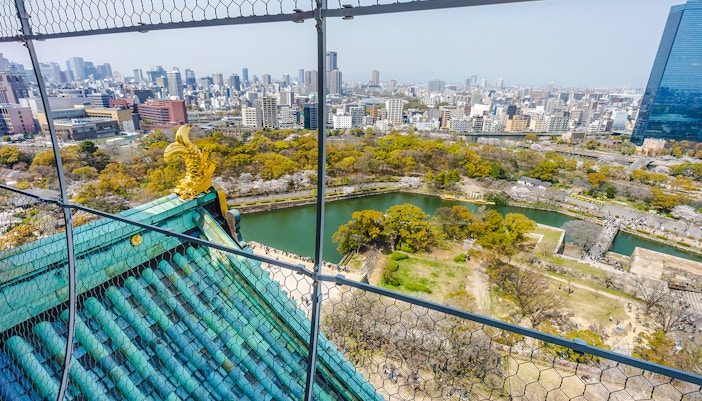
Most visitors head upward soon after entering the tower. Use the observation deck to read the landscape: the moats, stone ramparts, park, and modern skyline show exactly why this site mattered militarily and politically. Once you’ve seen the castle’s position from above, the battle rooms below make more sense.

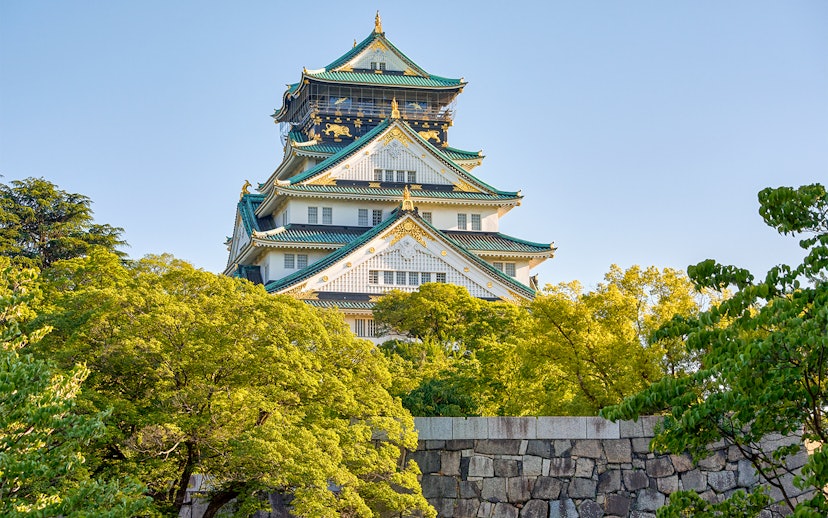
About the Main Tower

Middle levels: battles, screens, and command
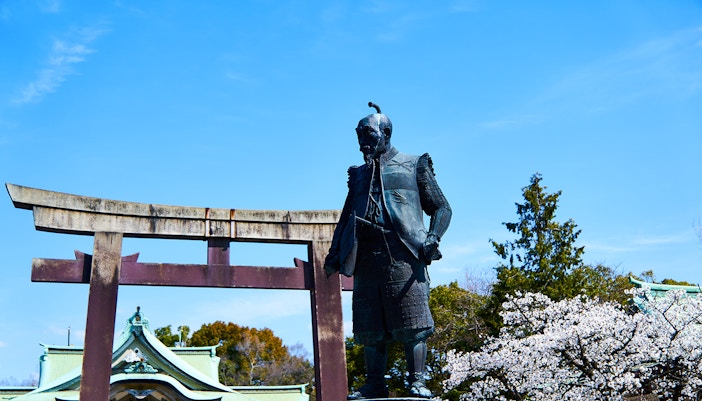
Work down into the museum’s densest history spaces, where armor, weapons, folding-screen imagery, and large battle visuals explain the rise and fall of Toyotomi power. This is the section that turns the keep from a photo stop into a story about siege warfare, ambition, and reconstruction.

Lower levels: Hideyoshi and display culture

On the lower exhibit levels, look for the replica Golden Tea Room and the displays centered on Toyotomi Hideyoshi’s image-making. These rooms matter because Osaka Castle was always political theater as well as defense. You leave understanding how power here was staged, not just fought over.

Historical & cultural significance

Most visitors are surprised that the museum sits inside a 1931 reinforced-concrete reconstruction, not Hideyoshi’s original 1583 keep. The first castle rose as Toyotomi power made Osaka a political center, then fell after the 1615 siege and was rebuilt in later forms. Today, the tower functions as a public history museum, turning a former symbol of military rule into one of Osaka’s clearest spaces for understanding the city’s past.

👉 Explore the full history of Osaka Castle

Notable figures

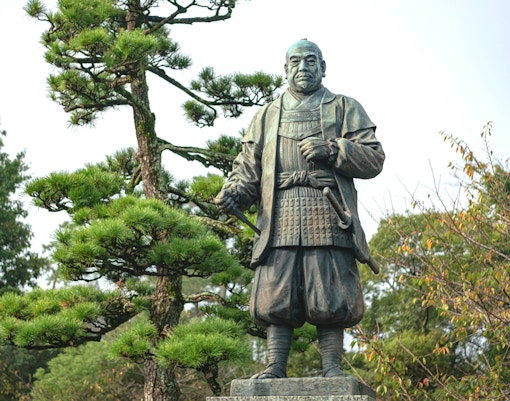
Toyotomi Hideyoshi | Founder

Began Osaka Castle in 1583 and used it as the power center of a newly unified Japan.

Know more

Tokugawa Ieyasu | Rival shogun

Led the campaigns that defeated the Toyotomi and reshaped the castle’s fate in 1614–1615.

Know more

Toyotomi Hideyori | Heir

Hideyoshi’s son, whose final stand at Osaka Castle ended the Toyotomi line.

Know more

Sanada Yukimura | Defender

Legendary commander linked to Osaka’s winter defenses and later remembered as a castle hero.

Know more

Know before you go

  • Open: 9am–5pm on most days
  • Last entry: About 4:30pm
  • Closed: December 28 – January 1
  • Special hours: Extended evening opening may apply during seasonal events and illuminations

Address: 1-1 Osakajo, Chuo-ku, Osaka 540-0002, Japan

  • Nearest JR station: Osakajokoen Station, about 10–15 minutes on foot to the keep
  • Nearest subway: Tanimachi 4-chome Station, about 15 minutes on foot through the park
  • Entry point: The museum is inside the main keep, so there is no separate museum entrance
  • Route note: From the park gates, allow extra walking time before you reach the paid tower entrance
  • Wheelchair access: Step-free routes are available through the park and to the keep entrance
  • Elevator: Elevator access is available inside the tower, but movement can slow during busy periods
  • Strollers: Usually allowed, but they may be restricted on very crowded days
  • Admission support: Visitors with disability certificates receive free admission, and 1 companion may also enter free
  • Language support: English signage is widely used inside the museum, with multilingual visitor support available
  • Photography: Flash photography is not allowed in certain exhibit areas
  • Bag storage: Belongings can be deposited at the entrance ticket counter for JPY100 per piece
  • Storage hours: Deposit service runs 9am–4:30pm, with final pick-up at 5pm
  • Bulky items: Large luggage, bulky bags, tripods, and professional photography equipment may be restricted inside exhibits
  • Strollers: Staff may stop stroller entry on very crowded days for safety and space reasons

Frequently asked questions about the Osaka Castle Museum

Yes. Entry to the Osaka Castle Museum is included with every valid Osaka Castle ticket. No separate ticket exists.

More reads