Plan your visit to Tsutenkaku Tower
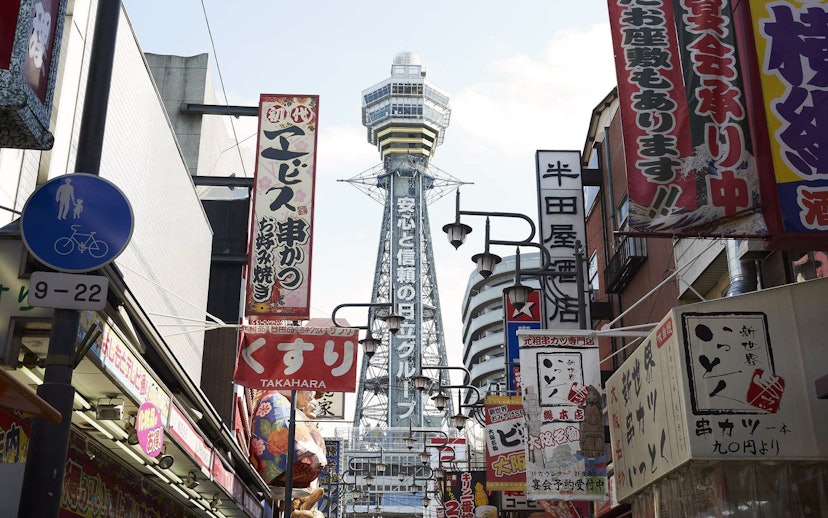
Tsutenkaku Tower is Osaka’s retro observation tower in Shinsekai, best known for its Billiken statue, compact viewing levels, and old-school city views. The visit itself is easy, but it feels busier than you’d expect because elevator capacity is limited and the most popular decks are small. The biggest difference between a smooth visit and a frustrating one is timing your slot to avoid sunset crowds and deciding in advance whether the outdoor deck or the thrill add-ons are worth it. This guide covers the route, tickets, and timing that matter.
Quick overview: Tsutenkaku Tower at a glance
This is a short visit, but the right ticket and timing make a bigger difference here than at larger towers.
- When to visit: Daily: 10am–8pm. Weekday mornings are noticeably calmer than sunset through early evening, because the tower is small, elevator capacity is limited, and everyone wants the same skyline photo window.
- Getting in: From ¥1,200 for standard entry. Outdoor deck access from ¥1,500. Booking ahead matters most for weekends, sunset slots, and holiday periods like Golden Week and Obon.
- How long to allow: 1–1.5 hours for most visitors. It stretches closer to 2–2.5 hours if you add the outdoor deck, Tower Slider, shopping, and food stops in the basement.
- What most people miss: The Waku Waku Land basement and the Tip the Tsutenkaku glass-floor section are easy to skip if you rush straight to Billiken and back down.
- Is a guide worth it? Not usually. This is a short, self-guided visit, and most visitors get more value from choosing the right add-ons than paying for narration.
🎟️ Sunset slots for Tsutenkaku Tower can disappear 1–2 days ahead during Golden Week and Obon. Lock in your visit before the time you want is gone.
Jump to what you need
🕒 Where and when to go
🗓️ How much time do you need?
🎟️ Which ticket is right for you?
🗺️ Getting around
🌆 What to see
♿ Facilities and accessibility
Where and when to go
How do you get to Tsutenkaku Tower?
Tsutenkaku Tower sits in Osaka’s Shinsekai neighborhood, a short walk from Ebisucho Station and about 15–20 minutes from Umeda by train.
1-18-6 Ebisuhigashi, Naniwa-ku, Osaka 556-0002, Japan
- Subway: Ebisucho Station (Osaka Metro Sakaisuji Line) → 3-minute walk → easiest approach for the tower’s main pedestrian entry.
- JR / Nankai: Shin-Imamiya Station → 6–8-minute walk → best if you’re arriving from the JR Loop Line or Nankai services.
- From Namba: Subway to Dobutsuen-mae or Ebisucho → about 15 minutes total → faster than a taxi in busy evening traffic.
- Taxi / rideshare: Drop-off in Shinsekai near the base streets → final approach is on foot through pedestrian-heavy lanes.
Which entrance should you use?
There is one main visitor entry, but the real difference is the queue you join once you arrive. The most common mistake is turning up at sunset without a timed booking and assuming the line will move quickly.
- Pre-booked timed entry: For visitors with reserved admission. Expect 5–15 minutes during normal weekday periods.
- On-the-day purchase / pickup: For walk-ups and same-day decisions. Expect 20–60 minutes on weekends and much longer during Golden Week or Obon.
- Add-on attraction purchase: For visitors buying Tower Slider or other extras separately. Expect an extra stop after your main observatory visit.
When is Tsutenkaku Tower open?
- Monday–Sunday: 10am–8pm
- Last entry: 7:30pm
- Outdoor deck and thrill add-ons: Hours can vary with weather and operating conditions
When is it busiest? Weekends, public holidays, and the 4pm–7pm window are the most crowded, especially in spring holidays and Obon, when the tower’s small decks and elevators back up quickly.
When should you actually go? Within the first hour after opening on a weekday is the easiest visit, because you’ll get Billiken photos and observatory space before the sunset crowd starts building.
How much time do you need?
| Visit type | Route | Duration | Walking distance | What you get |
|---|---|---|---|---|
Highlights only | Entrance → Golden Observatory → city views → exit | 30–45 mins | ~0.3 km | Best if you mainly want skyline photos and a quick stop in the Shinsekai area. |
Balanced visit | Entrance → Golden Observatory → history exhibits → Tsutenkaku Garden → café stop → exit | 1–1.5 hrs | ~0.6 km | The ideal pace for most visitors. You’ll have enough time to enjoy the city views, explore the tower’s displays, and take a short break. |
Full exploration | Full tower route → extended observation time → café break → optional special observation platform tickets onsite | 2+ hrs | ~1 km | Best if you want a slower visit with extra time for photos, evening views, and optional access to the special observation platforms. |
How do you get around Tsutenkaku Tower?
Tsutenkaku is best explored on foot, and the route is short enough to cover in about 1–1.5 hours unless you add the outdoor deck or thrill attractions.
The main focal point is at the top, but the basement is worth saving time for because that is where the food-brand shops and rest stop area sit.
Main route and key areas
- Golden Observatory: Main indoor viewing level with Billiken and city views → allow 20–30 minutes.
- Tenbo Paradise: Open-air deck with better wind-in-your-face skyline views → allow 10–15 minutes.
- Tip the Tsutenkaku: Cantilevered glass-floor section for the most dramatic down-look photo → allow 5–10 minutes.
- Tower Slider start point: Separate thrill add-on from the upper levels down to B1 → allow 5 minutes plus queue time.
- Waku Waku Land: Basement shopping and snack area with brand stores and event space → allow 15–20 minutes.
Suggested route: Start with the main observatory first, add Tenbo Paradise while you’re already at the top, then decide on the Tower Slider last so you don’t interrupt your viewing window. Most visitors miss the basement because they treat the descent as the end of the visit.
Maps and navigation tools
- Map: Official floor guides and on-site signs cover the observatory, outdoor deck, slide, and basement area → check the tower website before you go if you want the layout in advance.
- Signage: Wayfinding is good enough for the main route, but add-on attractions feel more fragmented, so a quick floor check before entering saves backtracking.
- Audio guide / app: This is not a place where most visitors need narration → the visit is short, and the real value is in timing your route and add-ons well.
💡 Pro tip: Go all the way up first and leave the Tower Slider for the end — it drops you to the basement, which makes it the cleanest way to finish without retracing your steps.
What can you see from Tsutenkaku Tower?

Golden Observatory
Attribute — Type: Indoor observatory and Billiken shrine point
This is the symbolic center of the whole tower: the golden-toned indoor deck with Osaka views and the famous Billiken statue. Most visitors come for the photo, but the real appeal is how unmistakably Osaka the space feels — retro, a little kitschy, and completely unlike a sleek modern deck. What people rush past is the atmosphere itself; don’t just touch Billiken’s feet and leave.
Where to find it: Upper indoor observatory level, after the main elevator ride
Tenbo Paradise
Attribute — Type: Open-air observation deck
Tenbo Paradise is the part of the visit that feels most different from the standard tower stop. You step outside, get the breeze, and see the skyline without glass reflections, which makes it the strongest photo spot in the building. Many visitors assume the indoor view is enough and skip this upgrade, but it is the one area that changes the feel of the visit most clearly.
Where to find it: Top special outdoor deck above the main observatory
Tip the Tsutenkaku
Attribute — Type: Glass-floor thrill platform
This cantilevered platform is smaller than people expect, but that is part of the appeal. It lets you look straight down through the transparent floor and gives the tower its most dramatic perspective shot. The detail many people miss is that this is separate from the standard indoor lookout feeling — it is a quick, thrill-focused stop, not just another window view.
Where to find it: Adjacent to Tenbo Paradise on the upper deck level
Tower Slider
Attribute — Ride type: Enclosed slide descent
The Tower Slider is one of the most unusual things about Tsutenkaku because it turns the trip down into part of the attraction. The ride is short — about 10 seconds — but it gives the tower a playful, family-friendly edge that most observation decks lack. Visitors often forget to budget for it until they are already leaving, which means missing the cleanest point to ride it at the end.
Where to find it: Starts from 3F and ends in B1
Waku Waku Land
Attribute — Type: Free-entry basement shopping and event zone
This basement area is easy to write off as a souvenir stop, but it is better thought of as the tower’s reset button. There are food-brand shops, snack stops, and a more playful atmosphere that works well if you are visiting with children or want a break after the viewing decks. Most people rush through it because they treat the basement as the exit, not part of the experience.
Where to find it: Basement level below the main tower route
Waku Waku Land
Attribute — Experience type: Free-entry basement zone
Waku Waku Land is the lightest part of the visit, with Osaka snack brands, souvenir browsing, and a more playful, family-friendly tone than the upper floors. It’s easy to dismiss as exit-through-retail, but it’s actually one of the few places in the complex where you can slow down and browse without view-deck pressure. Most people only give it a glance on the way out.
Where to find it: B1, below the main tower attraction.
Facilities and accessibility
- 🍽️ Food and snack area: Waku Waku Land in the basement has brand-store food shops and snack stops, which makes it the easiest place to pause before or after the observatory.
- 🛍️ Gift shops and merchandise: The basement shopping zone is the best place for Osaka snack souvenirs, Billiken-themed items, and brand tie-ins from companies like Glico and Morinaga.
- 🪑 Seating and rest areas: The basement area is the most practical place to pause, especially if you are visiting with children or waiting between add-ons.
- 🎢 Add-on attractions: Tower Slider and Dive and Walk are separate paid experiences, so plan time and budget for them instead of assuming they are included with admission.
- 🅿️ Parking: Parking around Shinsekai is limited and can feel expensive on busy days, so public transit is the easier option for most visits.
- ♿ Mobility: The main observatory route is accessible by elevator, but some higher-thrill areas and sections such as Tip the Tsutenkaku require stairs, so accessibility is partial rather than full across every experience.
- 👁️ Visual impairments: This is a strongly view-based attraction, so the main value is visual rather than tactile, and you should ask staff at entry what assistance is available before going up.
- 🧠 Cognitive and sensory needs: Weekday mornings are the least overwhelming time to visit, while sunset and holiday periods feel louder, tighter, and more crowded because of queue build-up.
- 👨👩👧 Families and strollers: The main tower visit is manageable for families, but thrill attractions have separate age and safety rules and are not designed as stroller-friendly experiences end to end.
Tsutenkaku works well for children because the visit is short, visually busy, and easy to combine with snacks, arcades, and Shinsekai street life nearby.
- 🕐 Time: Around 1 hour is realistic with younger children if you focus on the main observatory and Billiken, while older children may want extra time for the slide and basement stops.
- 🏠 Facilities: Waku Waku Land is the most family-friendly part of the complex because it gives you snack options, browsing time, and a lower-pressure break from the observation floors.
- 💡 Engagement: Give children a simple mission — spot Osaka landmarks from the top and then find Billiken for the luck ritual — and the visit becomes much more interactive.
- 🎒 Logistics: Travel light, book an earlier slot, and decide on the Tower Slider before you arrive so you are not negotiating extra costs and queues mid-visit.
- 📍 After your visit: Tennoji Zoo is an easy next stop if your child still has energy and you want to turn the tower visit into a half-day outing.
Rules and restrictions
What you need to know before you go
- Entry requirement: Standard admission uses timed entry, so booking ahead is the safest way to avoid the longest walk-up waits.
- Bag policy: Bring a small bag if you can, because the tower route is compact and thrill add-ons work better when you are not carrying extra items.
- Re-entry: Plan to do the visit in one run, because timed-entry flow and elevator queues make stepping out mid-visit more hassle than it is worth.
Not allowed
- 🚫 Food and drink: Outside food is not part of the observatory experience, though the basement area gives you food and snack options once you are done.
- 🚬 Smoking and vaping: The tower is an enclosed public attraction, so treat it as a non-smoking environment unless staff direct you to a designated area outside.
- 🐾 Pets: Pets are not part of the standard tower visit, so check ahead only if you are traveling with a service animal.
- 🖐️ Behavior: Climbing barriers, leaning past safety edges, or treating thrill platforms casually is taken seriously because the upper decks are compact and exposed.
Photography
Personal photography is part of the appeal here, especially around Billiken and the skyline-facing decks. The distinction to keep in mind is space, not theme: the main observatory is photo-friendly, but tight circulation areas, add-on platforms, and busy periods make large gear awkward. Keep it simple with a phone or small camera, and expect staff to step in if tripods, selfie sticks, or crowd-blocking setups slow movement.
Good to know
- Weather matters: The outdoor deck and some thrill attractions can close in rain or strong wind, so do not build your whole visit around them without a backup plan.
- Add-on rules: Dive and Walk has age and health restrictions, so check eligibility before booking instead of deciding at the entrance.
Practical tips
- Booking and arrival: Book ahead for weekends, holidays, and sunset slots, because the tower’s small capacity makes peak waits feel longer here than at larger attractions.
- Pacing: Do the main observatory and Billiken first, then decide on Tenbo Paradise, because you do not want to spend your clearest view window in an extra line.
- Crowd management: Weekday mornings work best here because you get photo space at Billiken and the viewing windows before the after-lunch and sunset crowd compress the route.
- What to bring or leave behind: Bring only a small day bag and keep your hands free if you are adding the Tower Slider or any rooftop thrill experience.
- Food and drink: Skip a full meal before going up and save it for Shinsekai after the visit, where you have better value and much stronger local atmosphere than a rushed pre-entry stop.
- Add-on strategy: If you want the slide, treat it as your exit plan, not a mid-visit detour, because it drops you into the basement and avoids unnecessary backtracking.
- Photo timing: For daylight city views, go earlier; for neon mood, go after dark on a non-holiday weekday rather than right at sunset, when the tower is most crowded.
- Family pacing: With children, keep the visit to about 1 hour upstairs and use Waku Waku Land as the decompression stop before moving on to Tennoji Zoo or Shinsekai snacks.
What else is worth visiting nearby?
Commonly Paired: Shinsekai
Distance: 300 m — 5-minute walk
Why people combine them: Tsutenkaku is the landmark at Shinsekai’s center, so the neighborhood’s kushikatsu lanes, arcades, and retro streets are the most natural continuation of the visit.
Commonly Paired: Tennoji Zoo
Distance: 800 m — 10-minute walk
Why people combine them: It turns a short tower stop into a fuller half-day plan, especially if you are traveling with children or want something slower after the elevator-and-view-deck pace.
Also nearby
SpaWorld
Distance: 700 m — 10-minute walk
Worth knowing: This is the best nearby reset if you want to swap city views for a long soak, especially after a humid summer day in Osaka.
Dotonbori
Distance: 4 km — 15–20 minutes by subway
Worth knowing: It is not the most natural immediate pairing, but it works well if your Tsutenkaku visit is just the first stop before dinner and neon-heavy nightlife.
Eat, shop and stay near Tsutenkaku Tower
- On-site: Waku Waku Land in the basement is better for snacks and souvenir browsing than a proper meal, so use it as a convenience stop rather than your main food plan.
- Shinsekai kushikatsu strip (5-minute walk, Ebisuhigashi): Classic deep-fried skewers and the most local post-visit food move if you want the retro Shinsekai atmosphere to continue.
- Janjan Yokocho (6-minute walk, Shinsekai south arcade): Good for quick, casual Osaka bites when you want something fast and local instead of a sit-down detour.
- Tennoji area cafés (12-minute walk, around Tennoji): A better option if you want coffee, air-conditioning, and a more comfortable reset after the tower crowds.
- 💡 Pro tip: Eat after the tower, not before — the visit is short, and Shinsekai is far more memorable once you have done the observatory and know you are not watching the clock.
- Waku Waku Land: Food-brand souvenirs, Osaka snack gifts, and Billiken-themed goods, all inside the tower basement.
- Glico and Morinaga brand shops: Best for playful, edible souvenirs that feel more Osaka-specific than a standard landmark keychain.
- Shinsekai souvenir stores: Best if you want retro Osaka merchandise after the tower, especially if the basement shops feel too brand-focused.
Shinsekai is a practical base if your priority is easy access to Tsutenkaku, local food, and a more old-school side of Osaka. It is lively, slightly rougher around the edges than Umeda or Namba, and usually works better for short stays than for travelers wanting a polished neighborhood feel. If you want to walk to the tower and eat well nearby, it makes sense.
- Price point: This area usually skews more budget to mid-range than central Osaka’s more polished hotel districts.
- Best for: Short trips, food-focused stays, and travelers who want Tsutenkaku, Shinsekai, and Tennoji within walking distance.
- Consider instead: Namba or Umeda are better bases for longer stays if you want smoother transit connections, more hotel choice, and easier access to the rest of Osaka.
Frequently asked questions about visiting Tsutenkaku Tower
Most visits take 1–1.5 hours. That is enough time for the main observatory, Billiken, and a relaxed look at the skyline. If you add Tenbo Paradise, the Tower Slider, and time in Waku Waku Land, you can easily stretch the visit to 2–2.5 hours.
You do not always need to, but booking ahead is the smart move for weekends, holidays, and sunset slots. Tsutenkaku is compact, elevator capacity is limited, and the biggest delays come when too many people try to enter during the same late-afternoon window.
Timed entry is worth it during busy periods because the biggest frustration here is waiting for a small-capacity attraction. On a quiet weekday morning, walk-up entry is usually manageable, but during Golden Week, Obon, or sunset hours, pre-booking saves a lot of standing around for a relatively short visit.
Arrive about 10–15 minutes early. That gives you enough time to find the entrance, sort your ticket, and join the right line without turning a short tower stop into a stressful start.
Yes, but a small bag works best. The tower route is tight, and add-ons like the Tower Slider or Dive and Walk are much easier when you are not carrying extra gear.
Yes, personal photography is part of the visit. The main observatory, Billiken area, and outdoor deck are all photo-friendly, but large tripods and space-hogging setups make less sense here because the viewing lanes are narrow and can get crowded fast.
Yes, small groups work well here. The only thing to watch is timing, because a compact tower can feel much more crowded when everyone in the group wants the same photo spots at the same moment.
Yes, it is one of the easier Osaka landmark visits with children because it is short, visually lively, and easy to pair with snacks or nearby attractions. The Tower Slider adds extra appeal for older children, while Waku Waku Land gives families a lower-pressure break after the observatory.
Partly. The main observatory is accessible by elevator, but some upper thrill areas and sections such as the glass-floor add-ons require stairs, so the full experience is not equally accessible across every level.
Yes, and the best options are nearby rather than upstairs. Waku Waku Land in the basement works for snacks, but Shinsekai’s kushikatsu streets and nearby casual food spots make a better main meal before moving on.
Yes, both are separate paid add-ons. Standard admission covers the main observatory, but the slide and rooftop thrill experiences need their own tickets and can have their own availability limits.
Weekday mornings are best if you care most about space and a smoother visit, while weekday evenings after dark are better for mood and neon city views. Sunset is the most popular time, but it is also when the tower feels most crowded and least relaxed.