Quick overview

  • Ways to experience: Choose a practice show with audience participation, a hands-on training workshop, or official Grand Sumo Tournament seats.
  • What’s common: All focus on real sumo culture with live bouts or demonstrations in Osaka; seating tiers affect proximity and atmosphere.
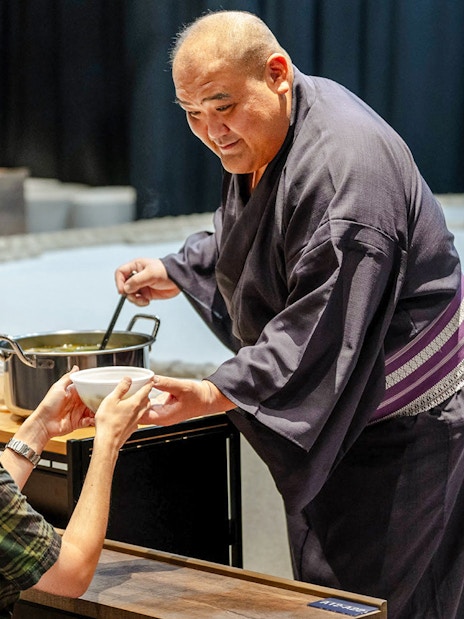
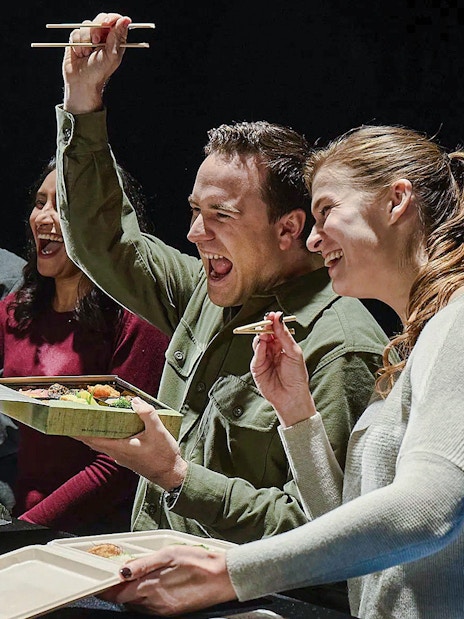
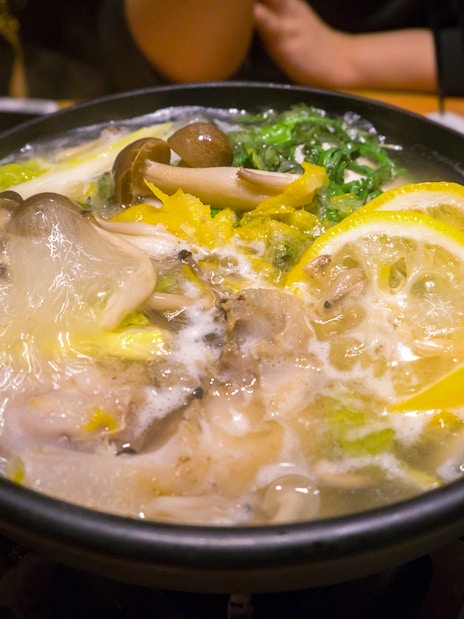
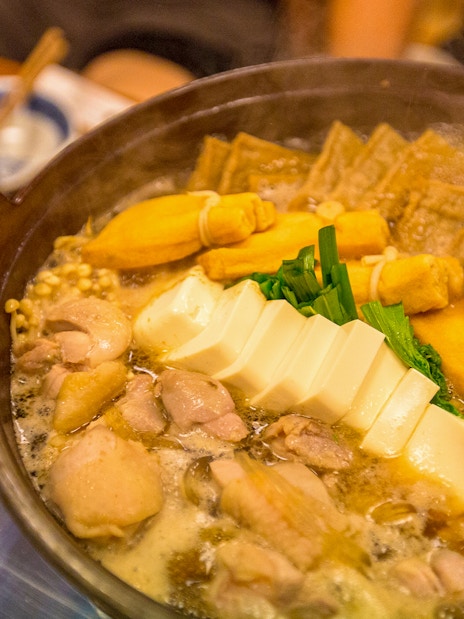
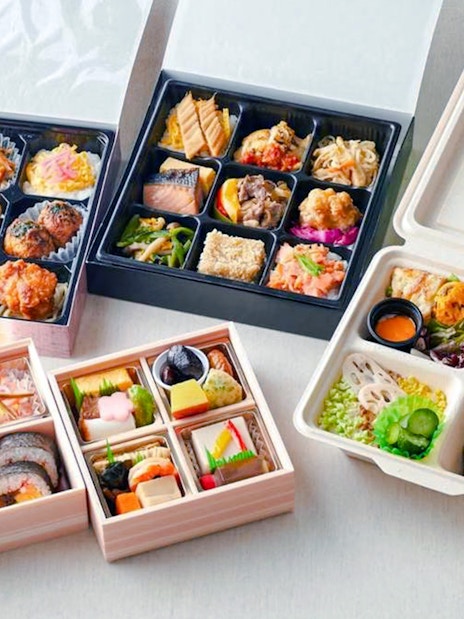
  • Food choices: Practice shows and workshops can include chanko-nabe or bento meals; tournament tickets don't include meals.
  • Guidance levels: Options range from English staff assistance to expert guides with live explanations, pre-event lectures, and printed materials.
  • Time-sensitive: Tournament tickets run only in March on fixed dates and cannot be cancelled; shows and workshops run daily with flexible cancellation.
  • Booking windows: Workshops and practice shows allow late booking and free cancellation; tournament seats sell out early, especially closer tiers.
  • Best upgrade: Pick a guided tournament seat for full context, or fall back to a practice show with a meal for interaction and flexibility.

Which Osaka sumo ticket fits you best?

Ticket typeWhat’s includedWhy choose thisPrice from

Sumo Practice Show at Ochiizumibeya

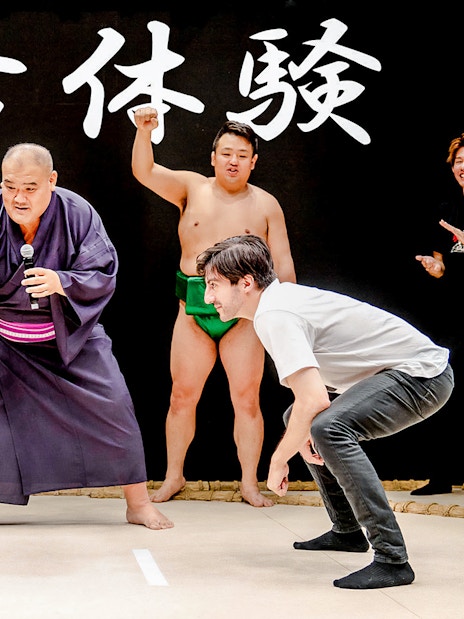
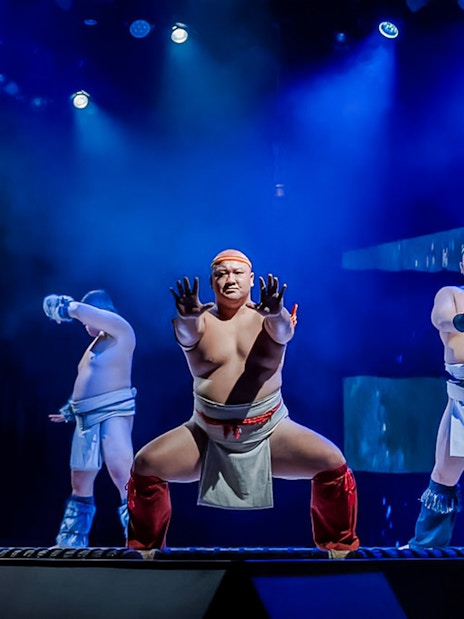
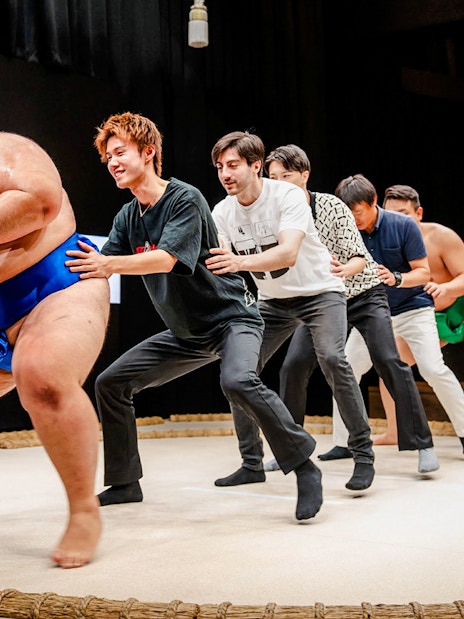
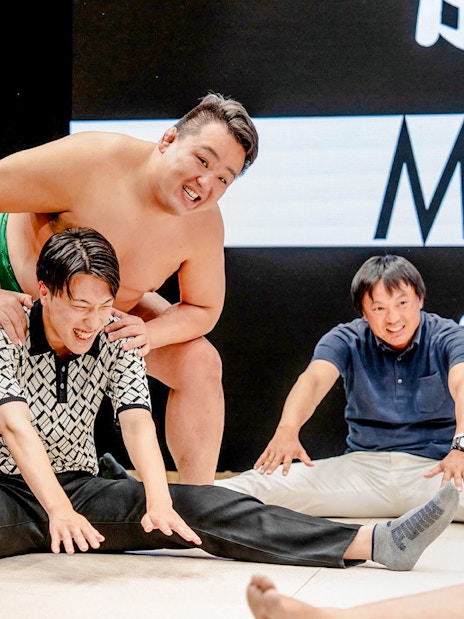
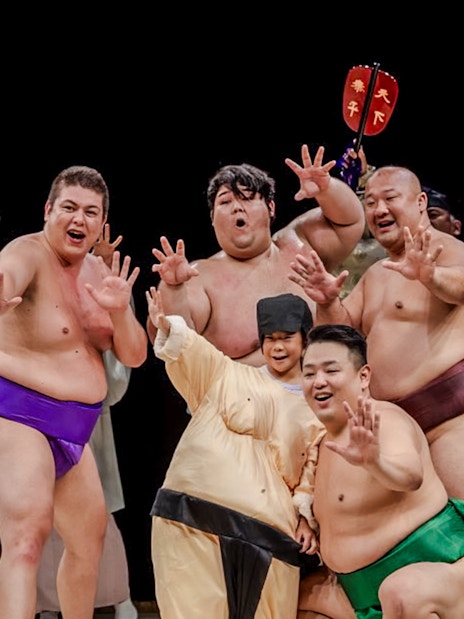
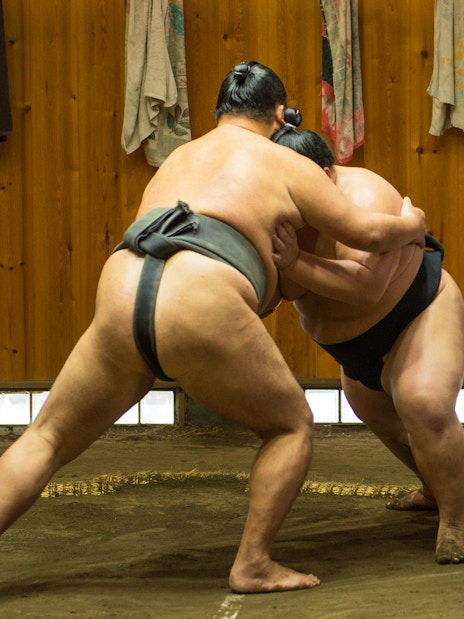
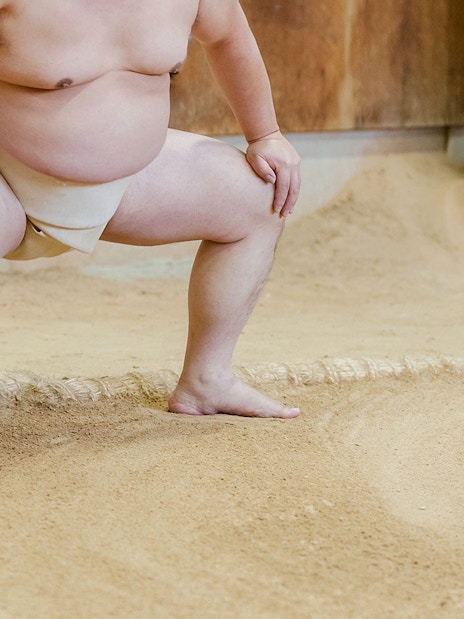
Practice show seating, English guide, audience challenges, photo session, kimono haori try-on, optional chanko-nabe

Interactive, flexible entry point with food options and lighter crowds than tournaments

¥11,000

Sumo Training Experience at Sumo Hall Hirakuza

Small-group workshop, live demos, second-row or better seating, meal or bento, direct instruction

Hands-on learning with closer access and clearer technique breakdowns

¥14,500

Osaka Sumo Tournament with Guide (Mar 20)

Official basho entry, reserved C or D seats, & expert English guide

Real tournament action with in-seat explanations on a fixed date

¥19,350

Osaka Sumo Tournament (Mar 10)

Official basho entry, reserved A or D seats, staff guidance to the seat, 2 souvenirs

Watch independently with keepsakes on a single March date

Osaka Sumo Tournament with Guide (Mar)

Pre-event lecture, licensed English guide, booklet, banzuke, wide seat choice

Deepest context and structure for first-time tournament viewers

Why see sumo in Osaka?

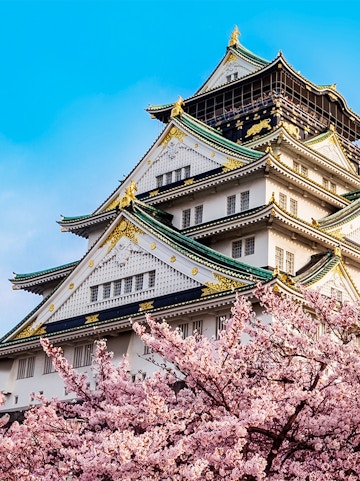
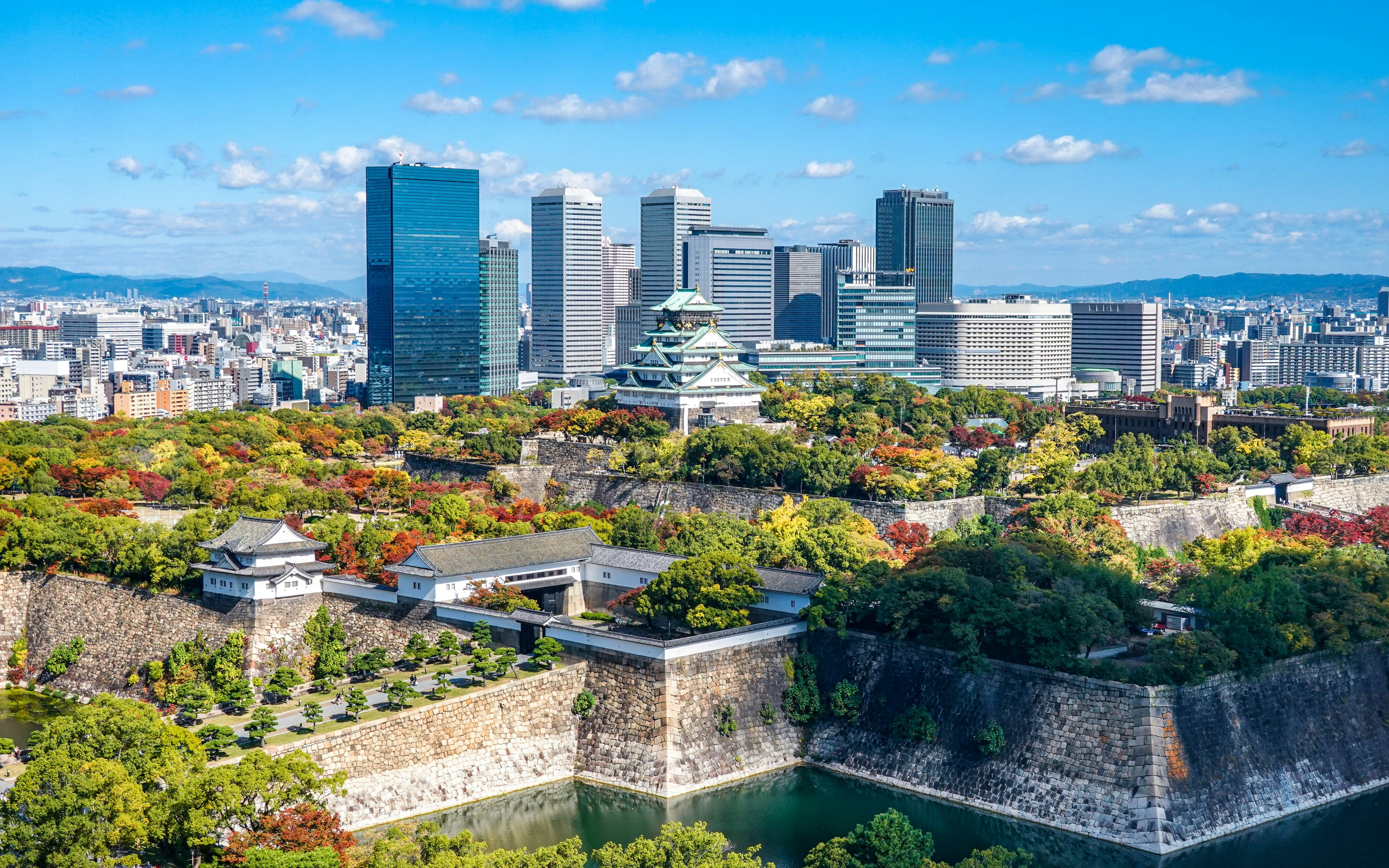
Osaka Castle Tower with Osaka Business Park skyscrapers in the background, Osaka City.
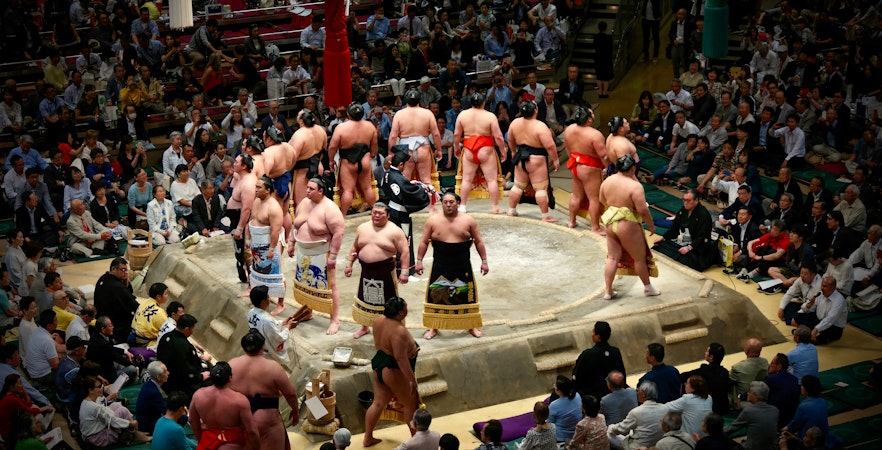
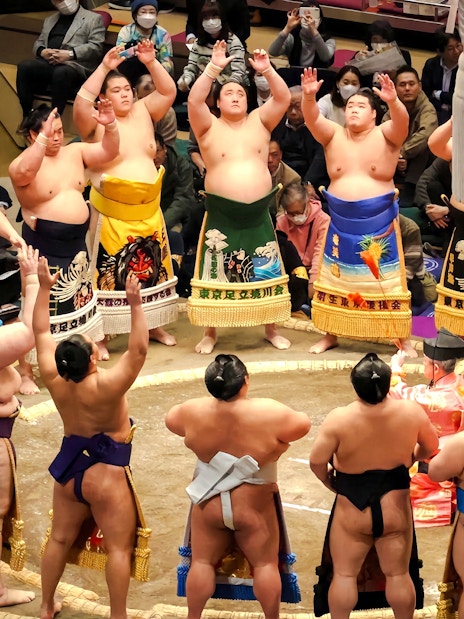
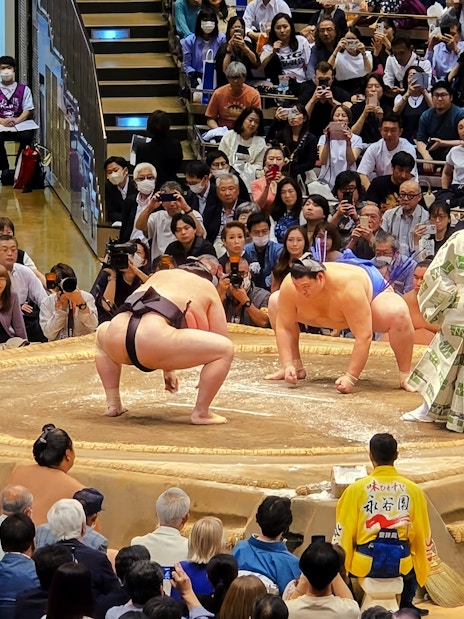
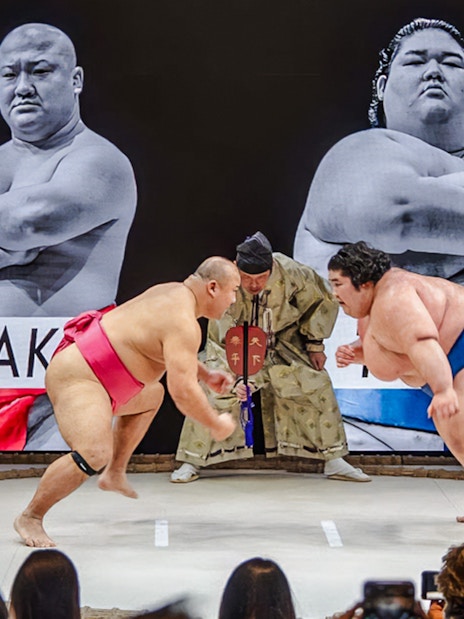
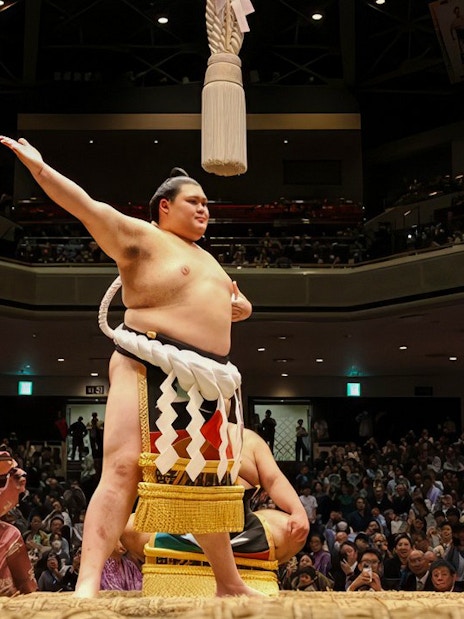
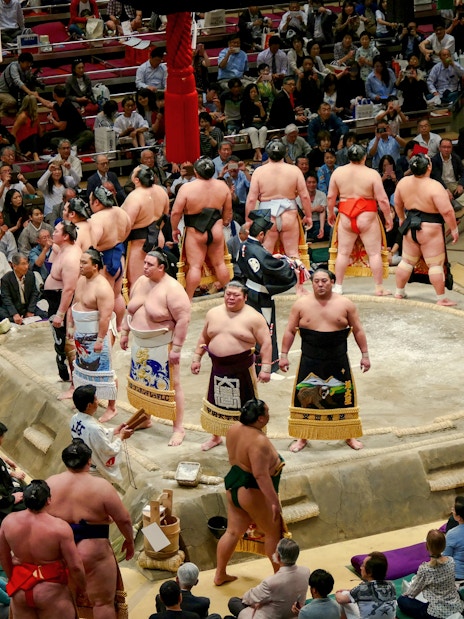
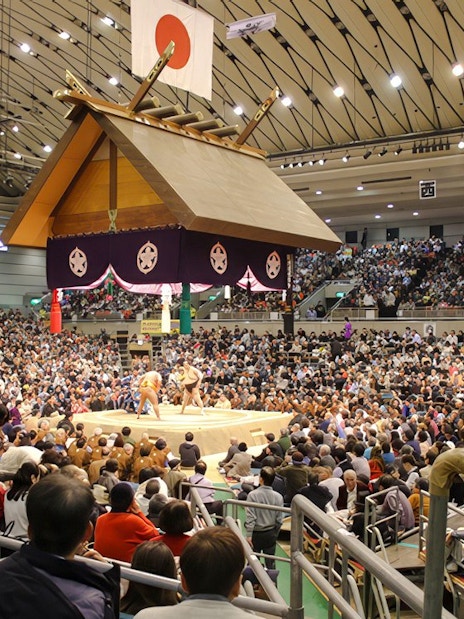
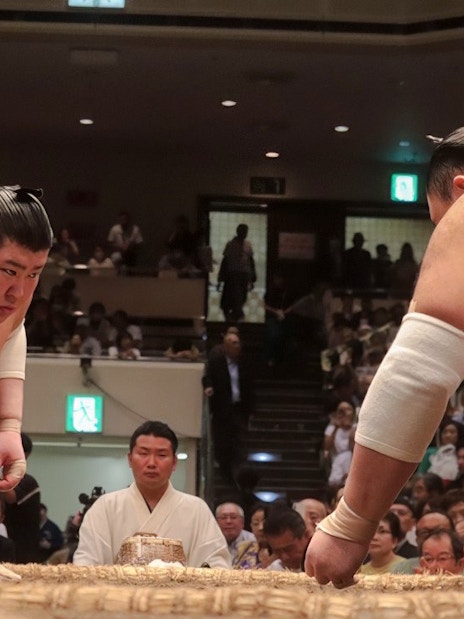
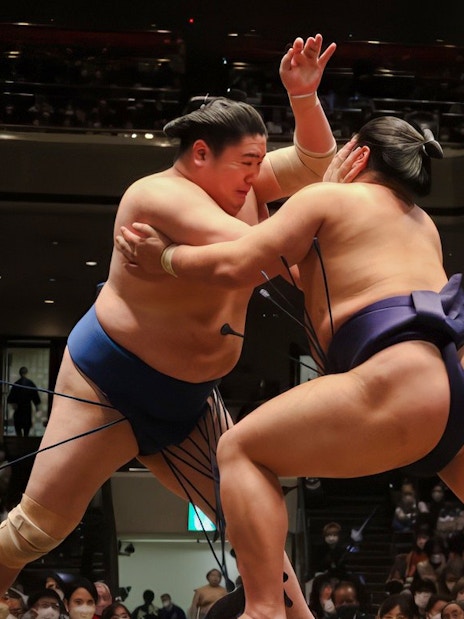
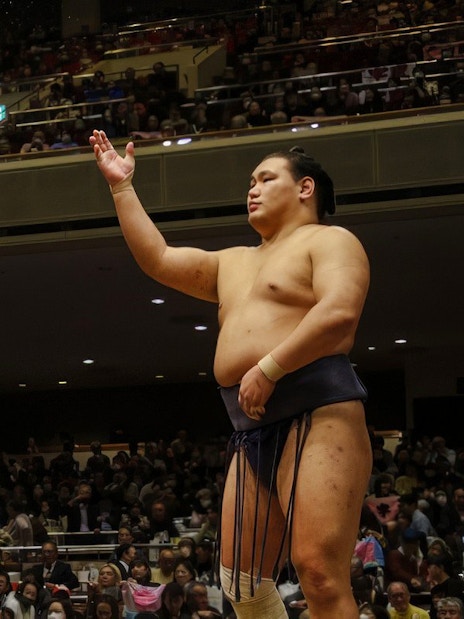
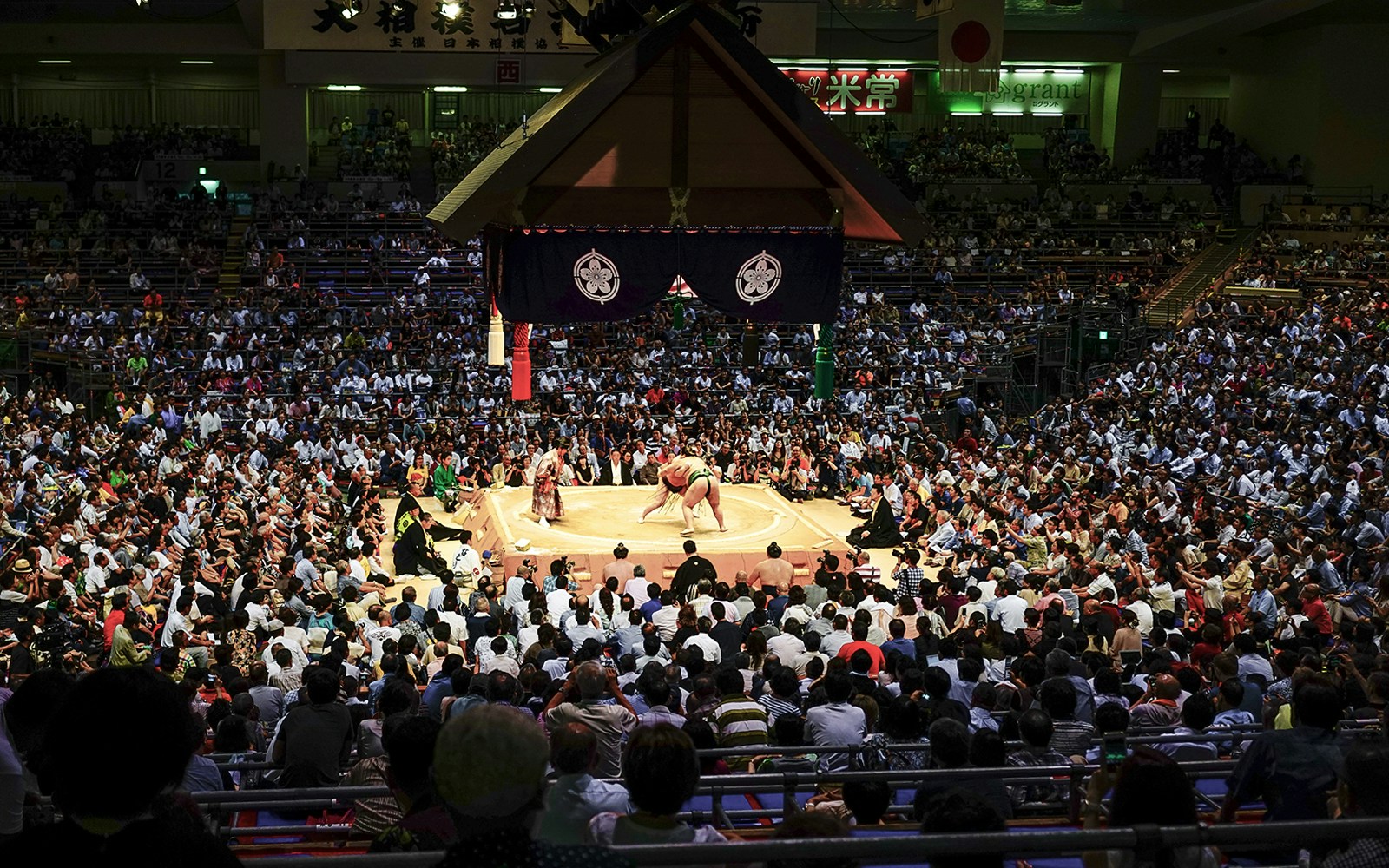
Sumo wrestlers competing in a packed arena during a tournament in Osaka.
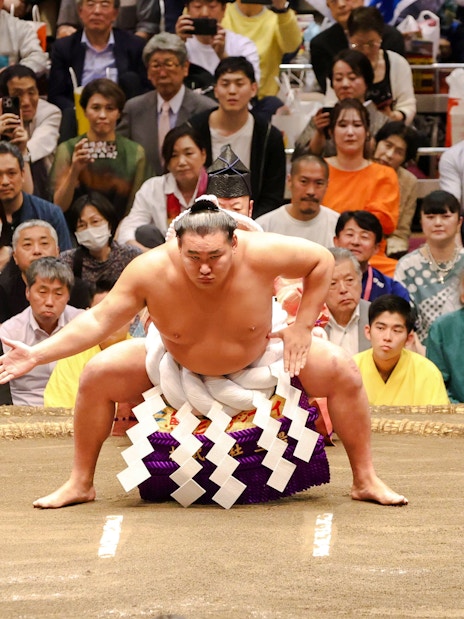
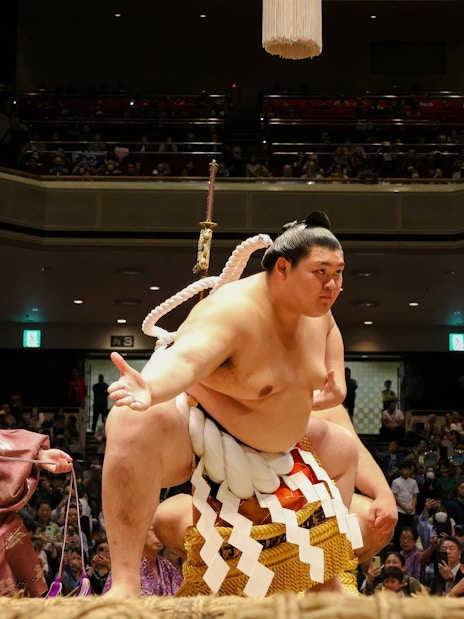
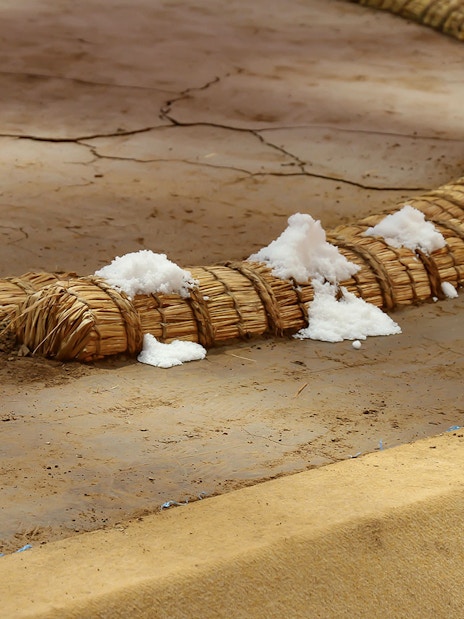
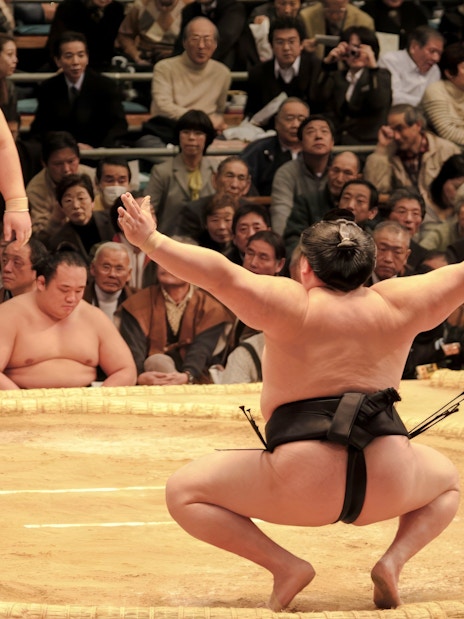
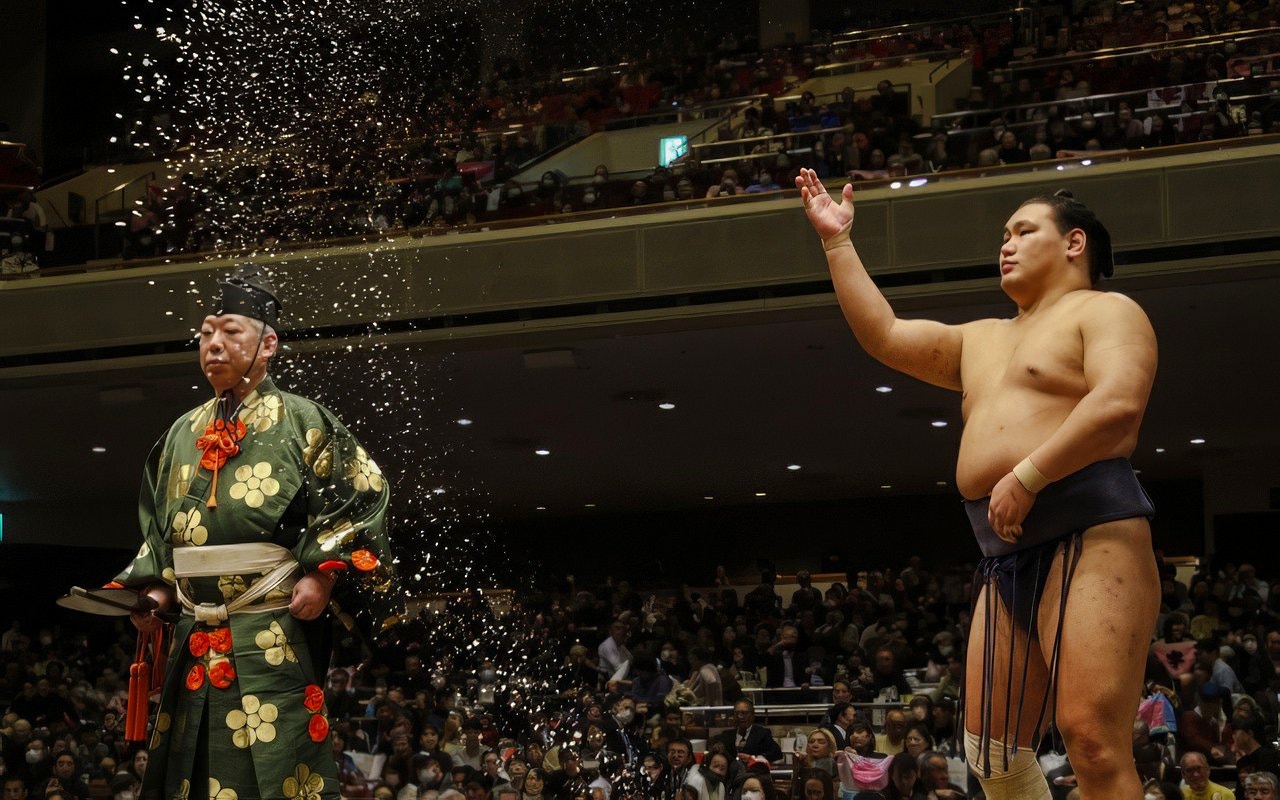
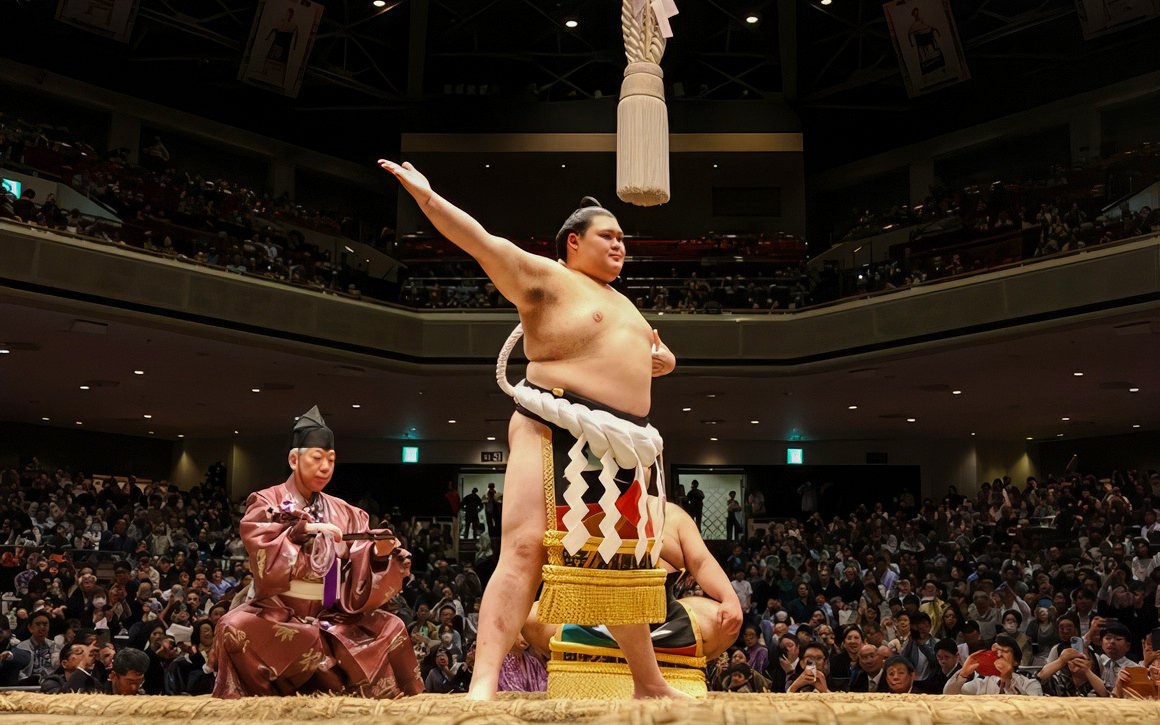
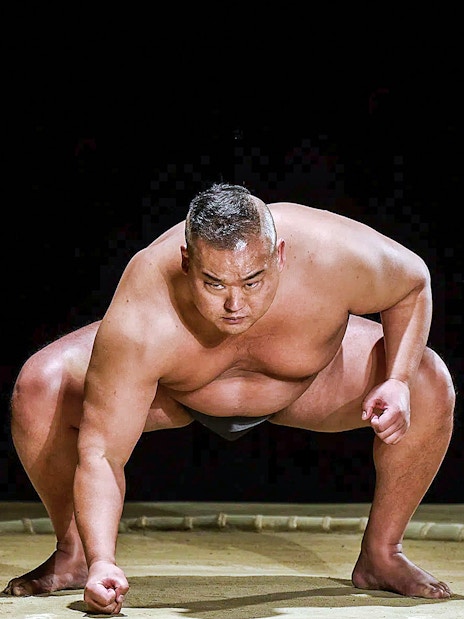
Sumo wrestler throwing salt during a traditional ceremony in Japan.
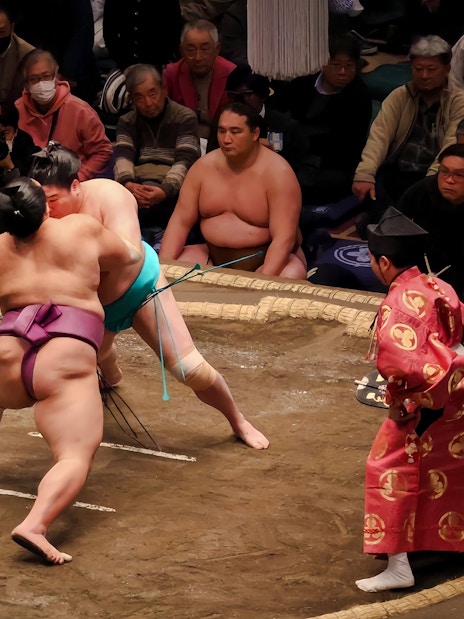
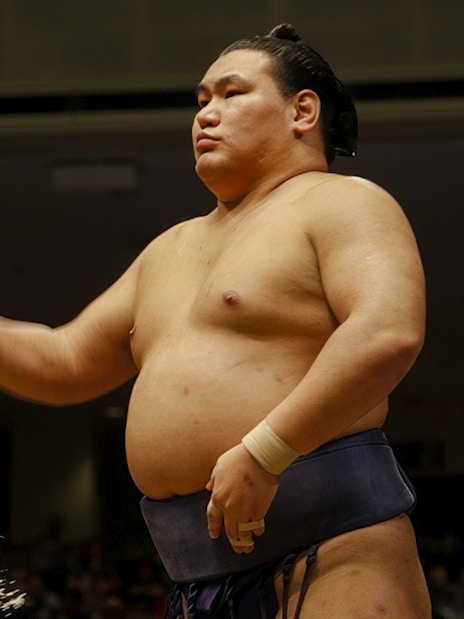
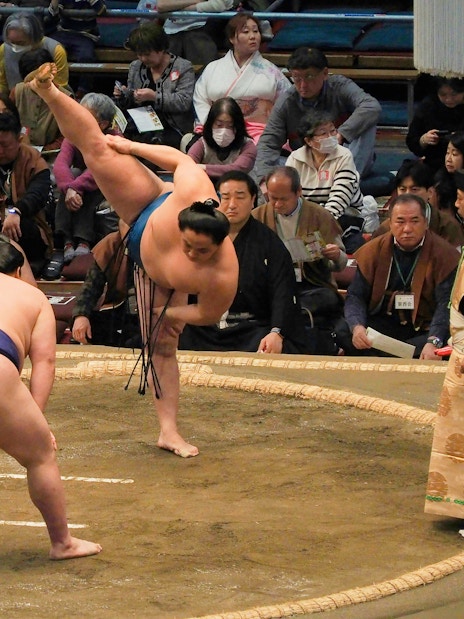
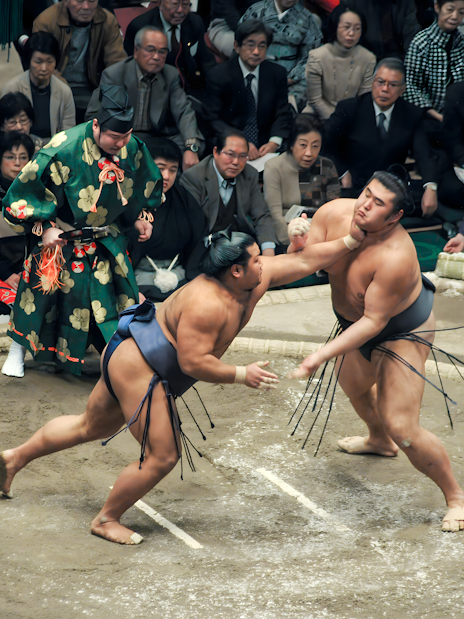
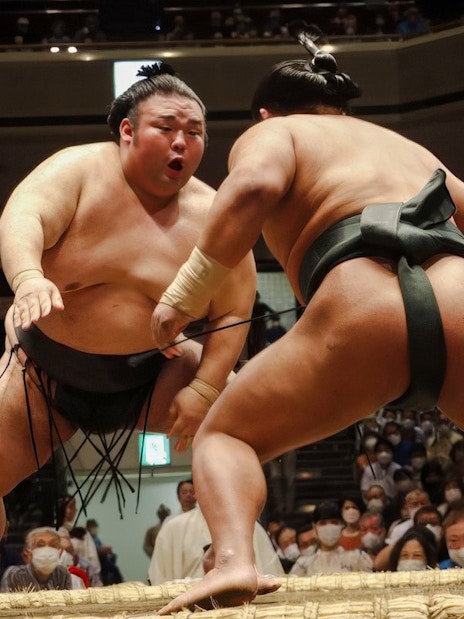
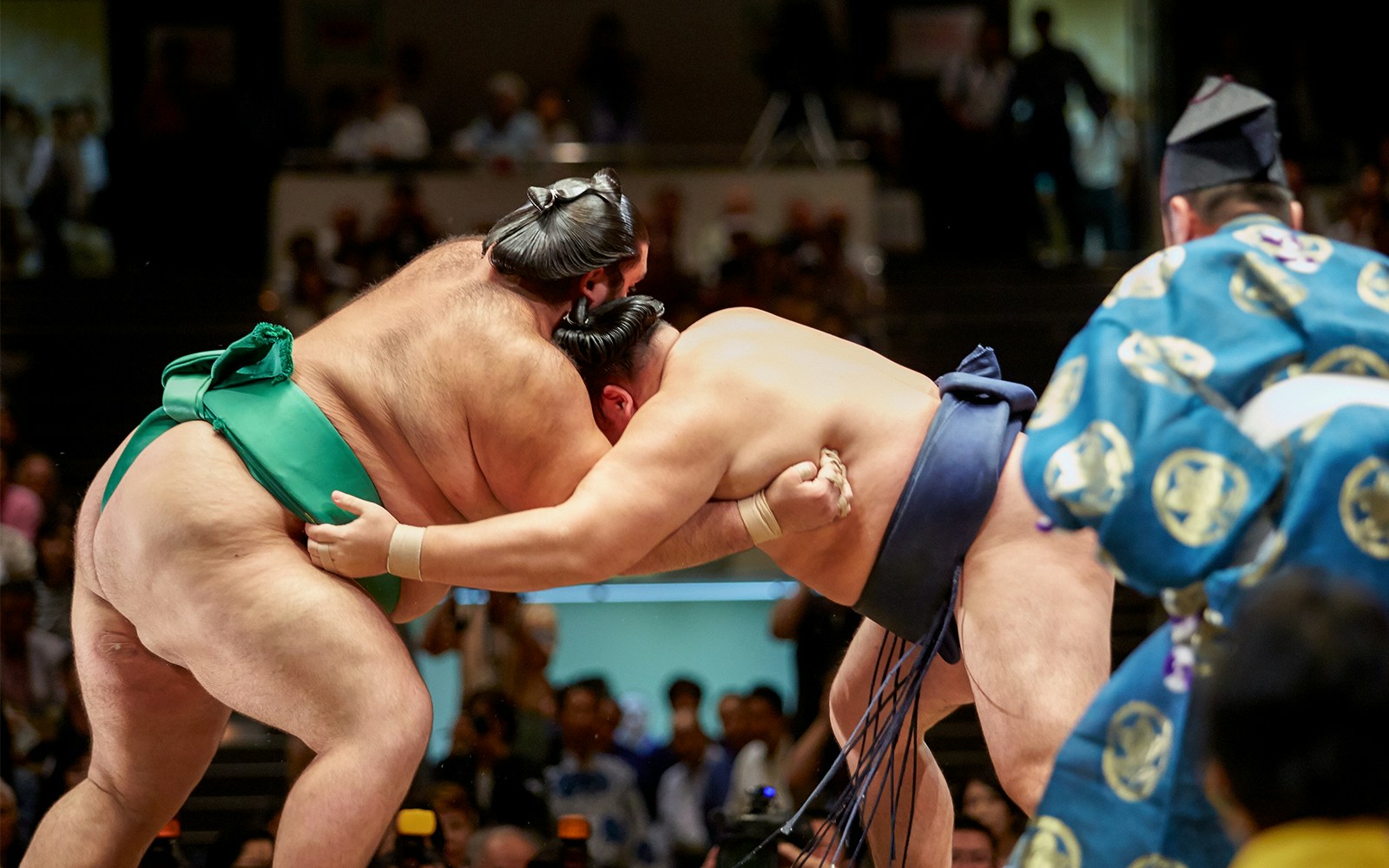
Sumo wrestlers competing at Sumo Tournament.
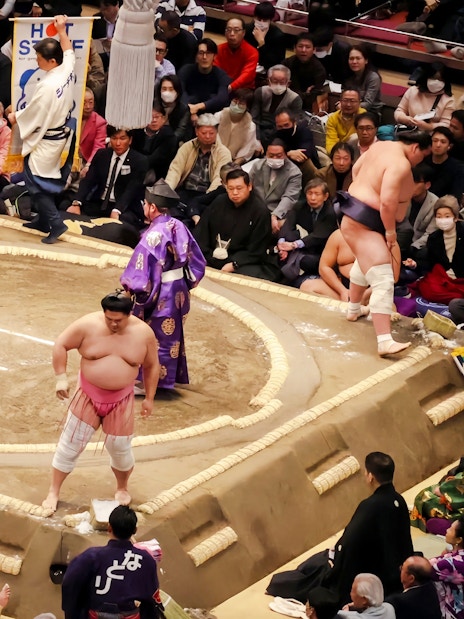
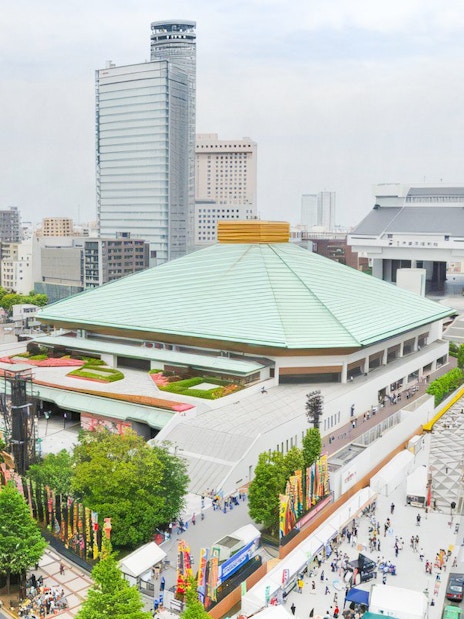
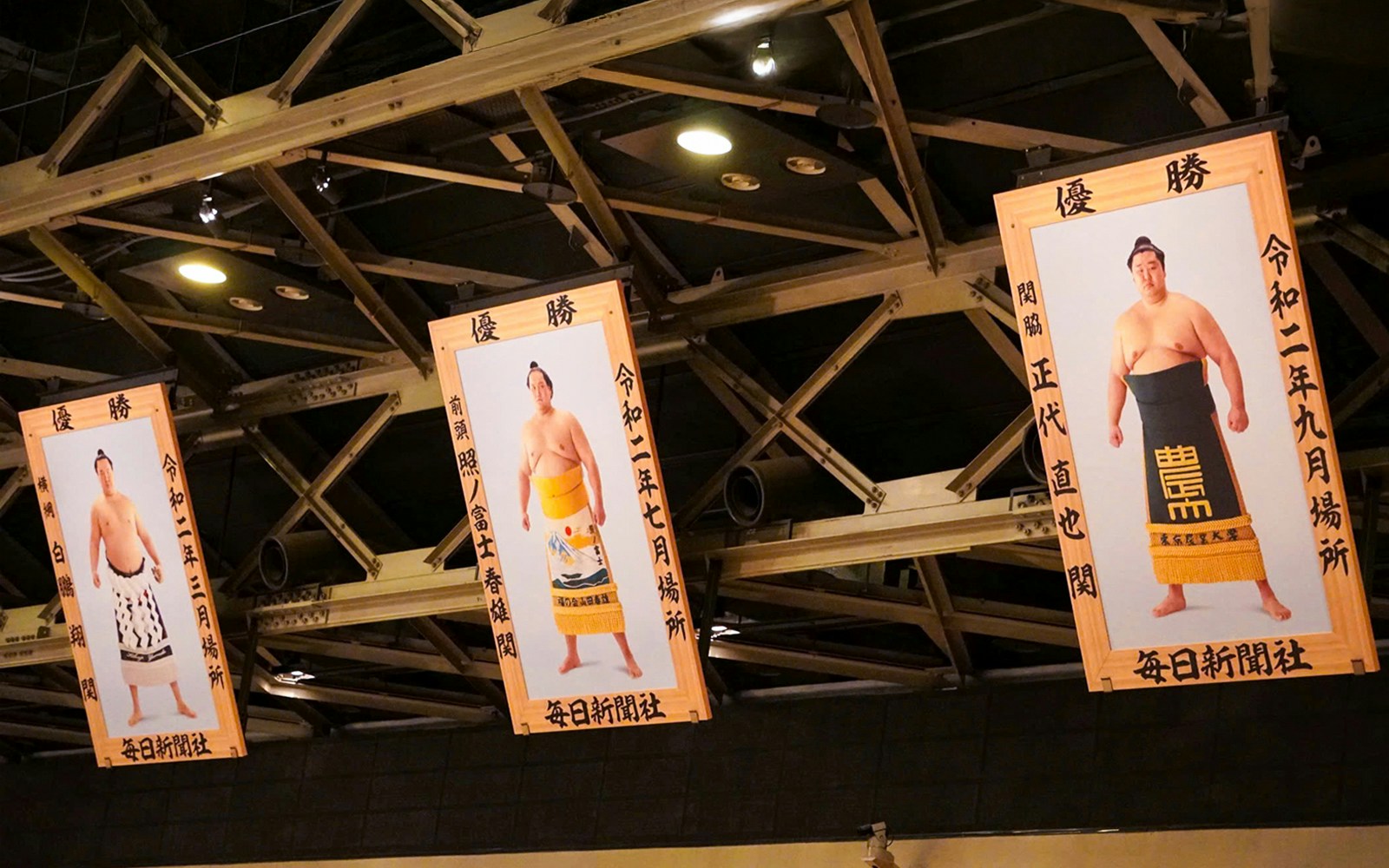
Sumo wrestler banners hanging in Tokyo arena for Sumo Tournament English Guided Tour.
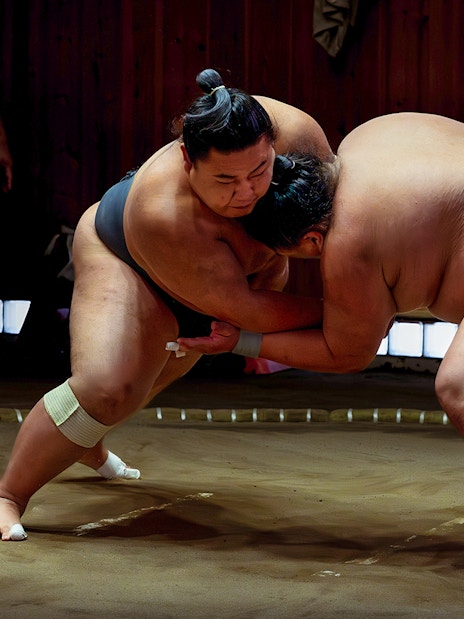
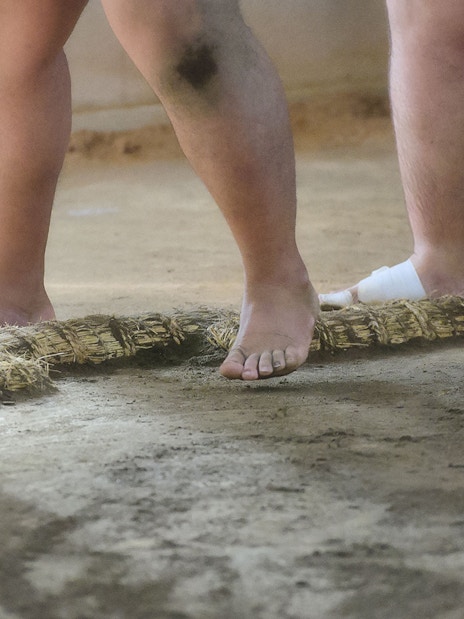
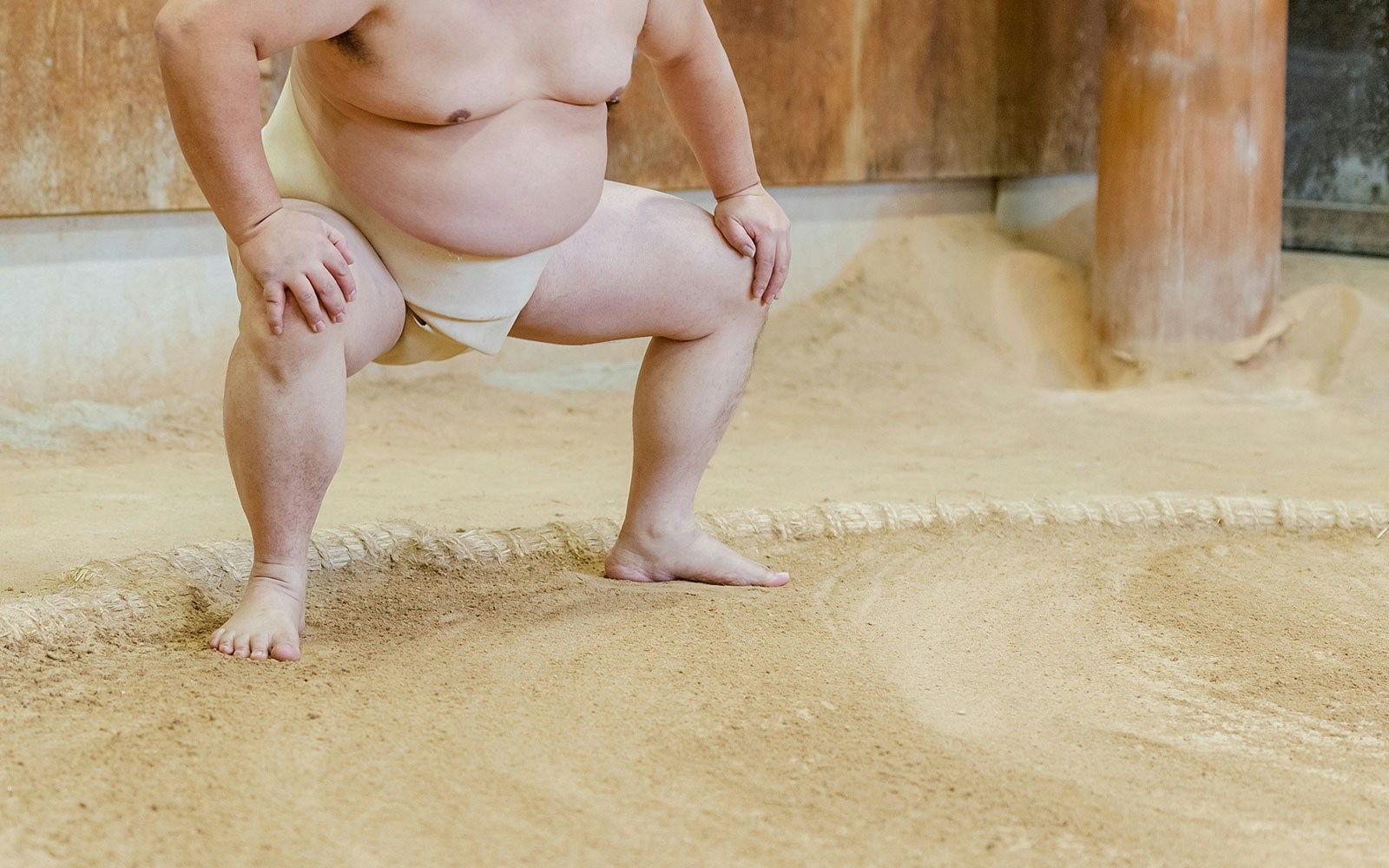
Sumo wrestler practicing in a Tokyo training ring.
1/6

Sumo lives here

Osaka hosts Japan’s Grand Sumo Tournament every March, making the city one of the few places where the sport becomes a seasonal, citywide event.

It starts in real venues

Later in the day, top-division bouts unfold in a central arena section with refined seating. Atmospheric corridors bring spectators closer to key ceremonies.

The rhythm is ritual-first

Slow, ceremonial build-ups give way to explosive bouts, with chants, salt throws, and moments of silence heightening every clash.

Iconic moments up close

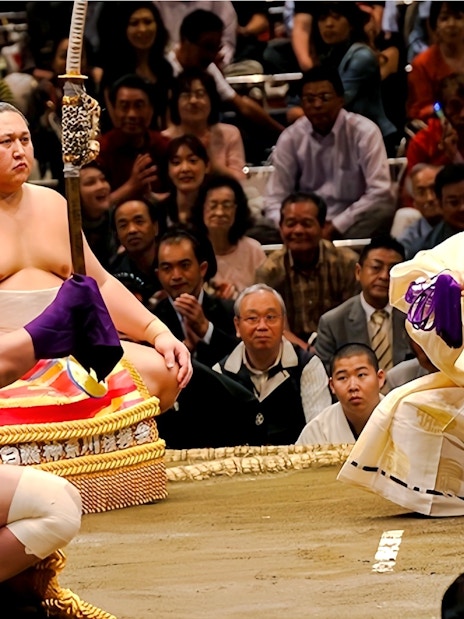
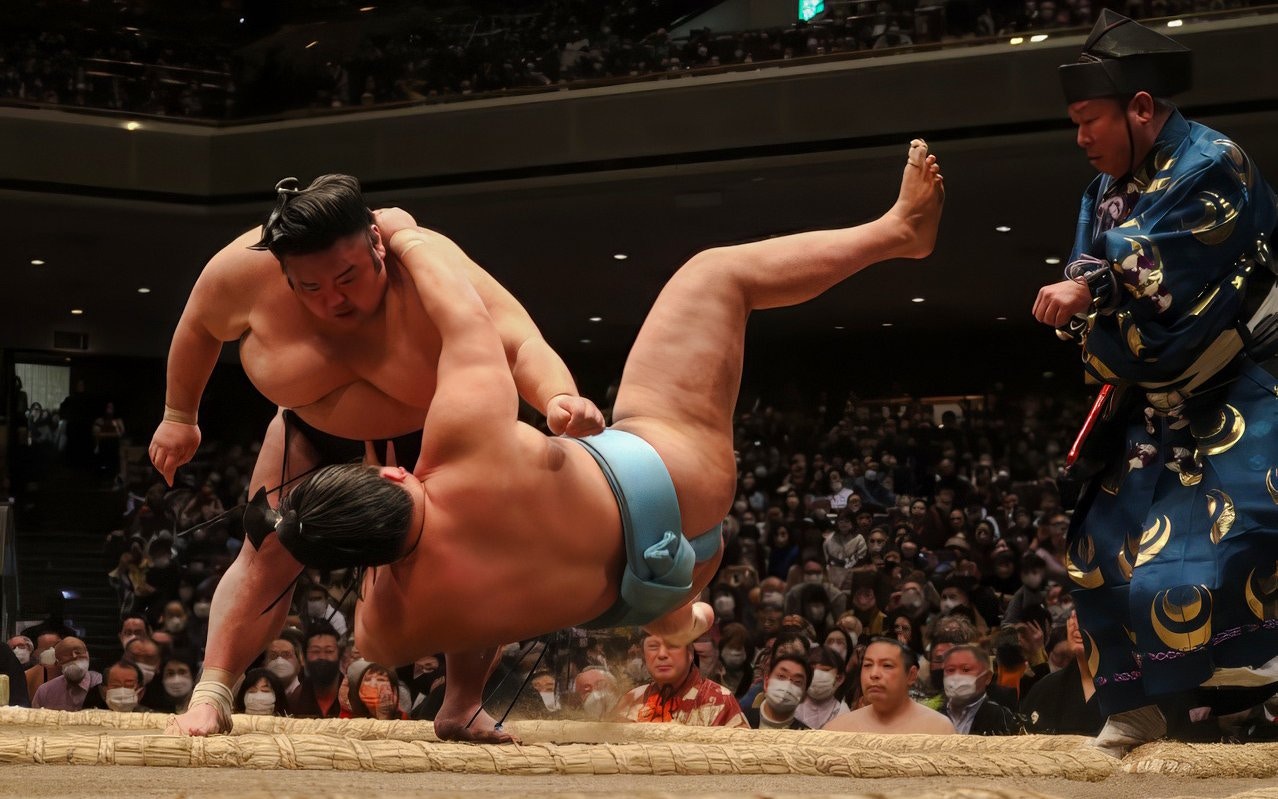
Wrestlers stomping the ring, referees in ornate robes, and the sudden end of a match that lasts seconds but lingers longer.

You gain cultural context

Guides, workshops, or commentary turn unfamiliar rituals into something readable, helping you follow rivalries, ranks, and outcomes.

Match it to your trip

Choose hands-on practice shows, training workshops with meals, or once-a-year tournament seats depending on time, depth, and flexibility.

Things to know before booking your Osaka sumo experience

  • Ticket availability & advance booking: March tournament tickets are limited and often sell out weeks ahead, especially for closer seats and guided options. Practice shows and workshops are easier to book last-minute.
  • Different ways to experience sumo: You can watch a staged practice show, join a hands-on training workshop, or attend a real Grand Sumo Tournament. Only the tournament is an official competitive event.
  • Shows vs tournaments: Practice shows and workshops explain rules and techniques clearly and allow interaction. Tournament tickets focus on live competition and rituals, with no interaction or meals included.
  • Guided vs unguided tickets: Some tournament tickets include expert English guides or pre-event lectures. Others provide seat access only, with minimal on-site assistance. Choose based on how much context you want.
  • Meals are optional, not standard: Chanko-nabe or bento meals are included only with certain show or workshop tickets. Tournament seats never include food, though arena snacks may be available.
  • Date and cancellation rules vary: Tournament tickets are date-specific and usually non-refundable. Practice shows and workshops typically allow free cancellation closer to the experience.

Official schedule: 2026 Grand Sumo Tournaments in Japan

DatesCityVenue

January 11 – 25, 2026

Tokyo

Ryōgoku Kokugikan

March 8 – 22, 2026

Osaka

Edion Arena Osaka (Osaka Prefectural Gymnasium)

May 10 – 24, 2026

Tokyo

Ryōgoku Kokugikan

July 12 – 26, 2026

Nagoya

IG Arena (Aichi International Arena)

September 13 – 27, 2026

Tokyo

Ryōgoku Kokugikan

November 8 – 22, 2026

Fukuoka

Fukuoka Kokusai Center

Highlights of your Osaka sumo experience

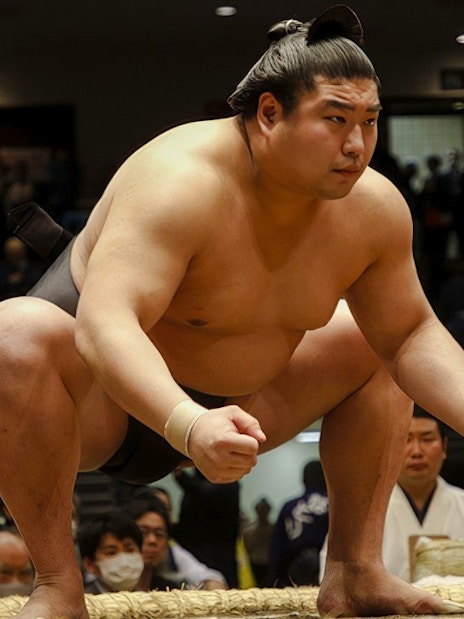
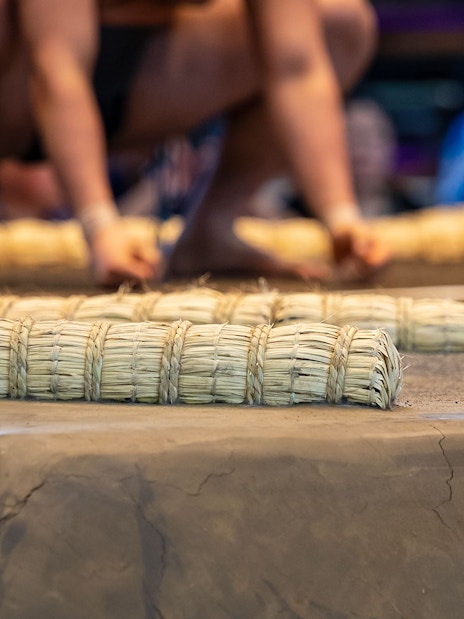
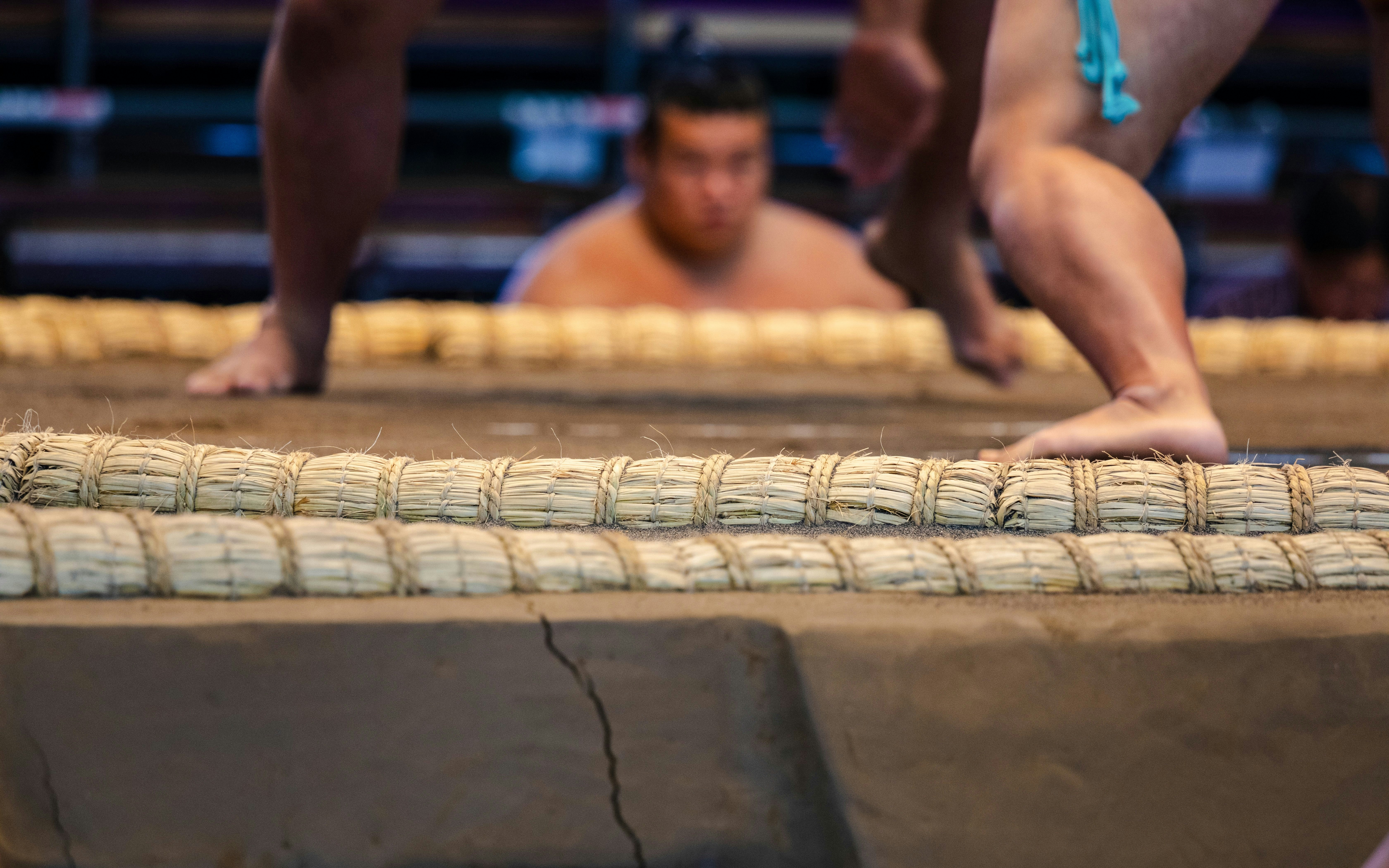
Sumo wrestlers in a clay ring, preparing for a match under bright lights.

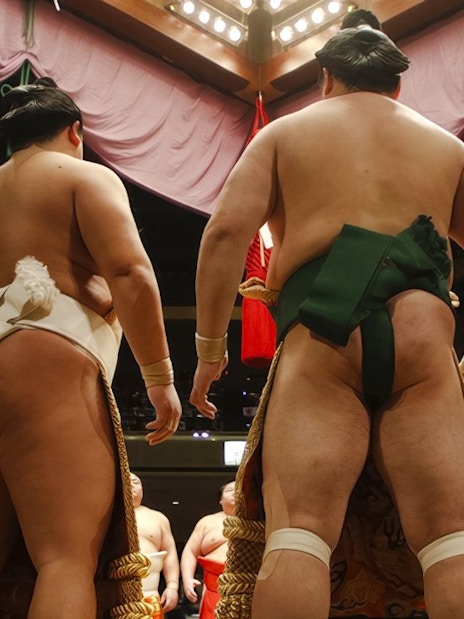
The dohyo up close

A clay ring under bright lights, where wrestlers stomp, clap, and throw salt. From your seat, every movement feels deliberate and charged.

Sumo wrestler celebrating in a packed arena in Japan.
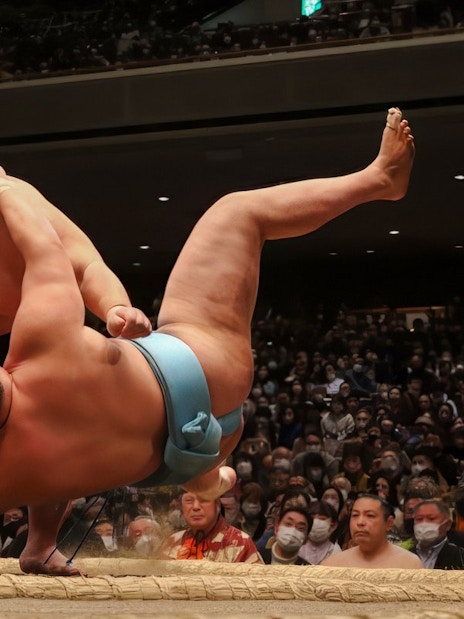
Sumo wrestler executing a move against opponent in a crowded arena.
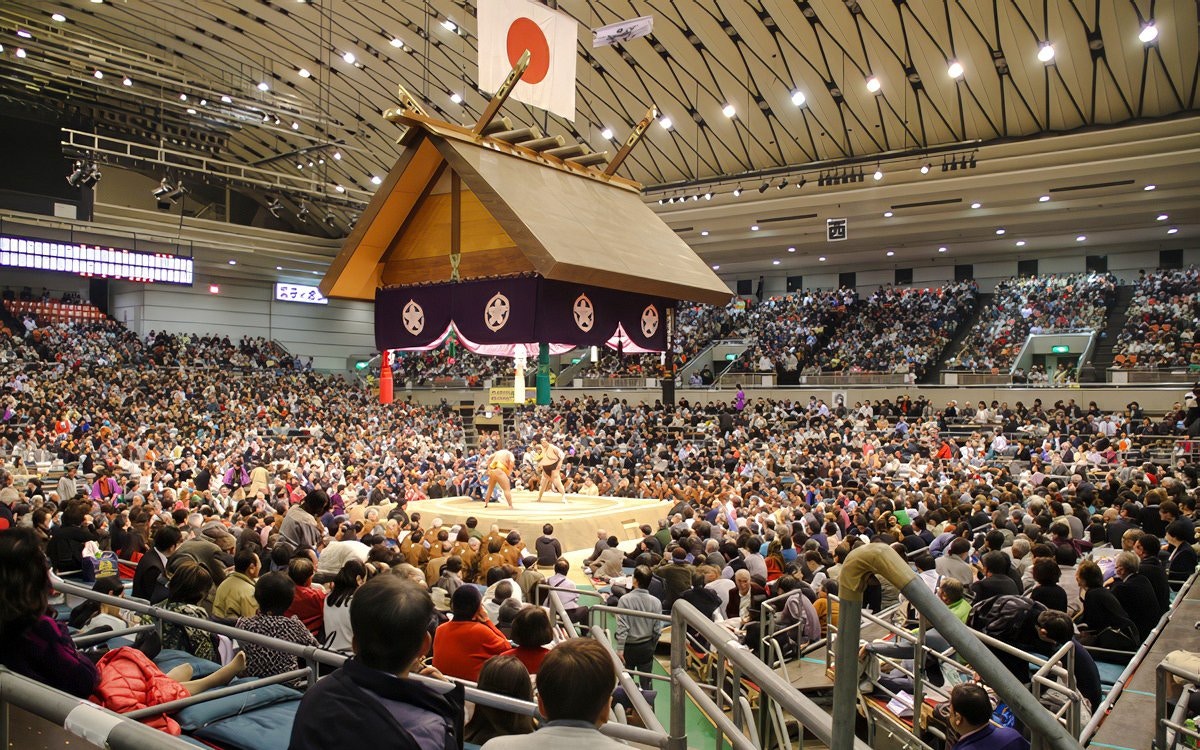
Sumo wrestlers competing in a packed Tokyo arena under a traditional Japanese roof.
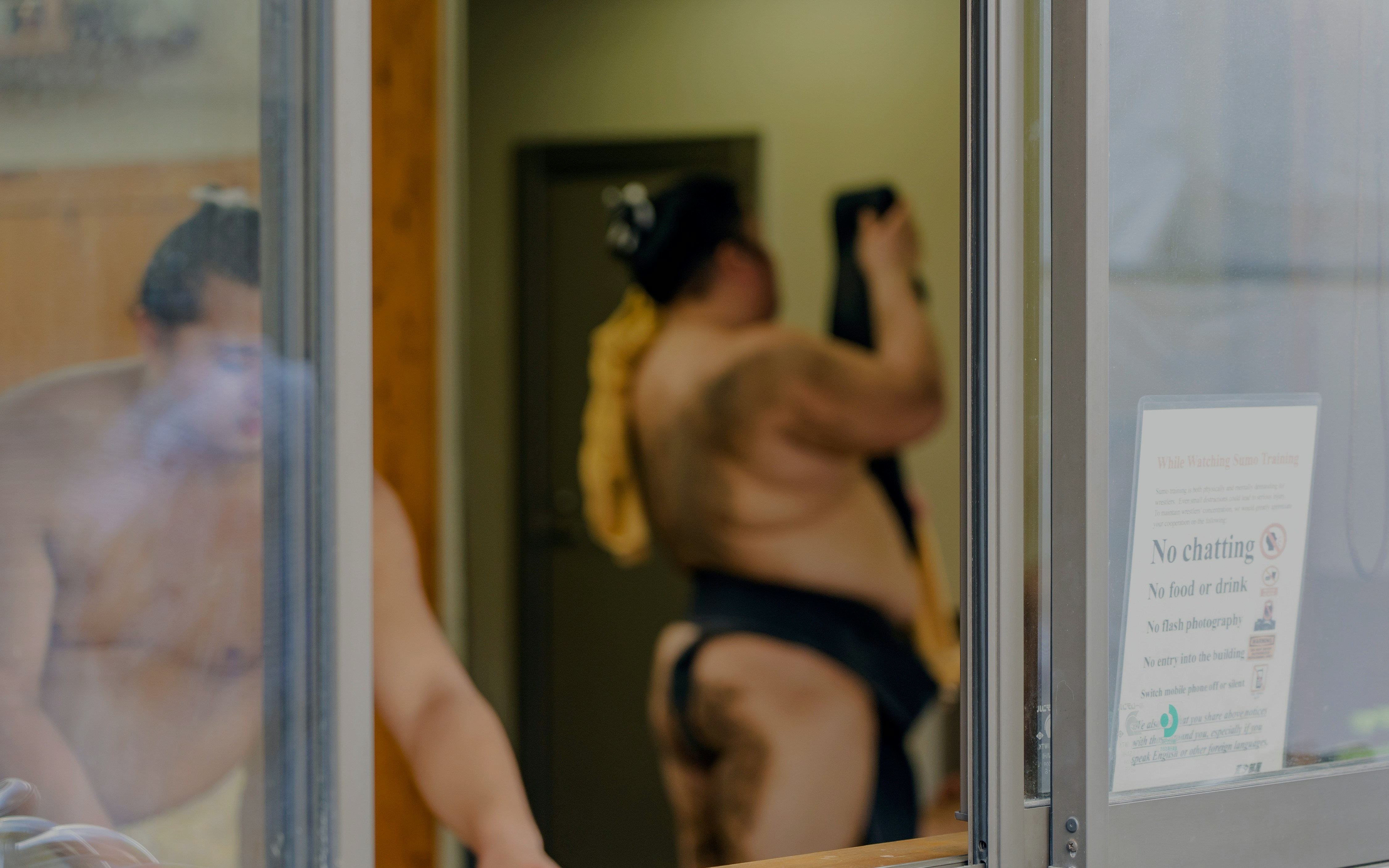
Sumo wrestlers training viewed through an open window at a sumo hall.

Plan your Osaka sumo experience

  • Operating windows: Practice shows and workshops usually run at lunch and early evening. Grand Sumo Tournament sessions are daytime-only and held in March.
  • Duration: Expect 1–3 hours for practice shows or workshops. Tournament sessions last around 4–5 hours, with breaks between bouts.
  • Best time to go: Tournament excitement peaks later in the afternoon when senior wrestlers appear. Evening shows are shorter and more structured.
  • Where it begins: Experiences take place at sumo stables, a dedicated sumo hall in Namba, or Edion Arena Osaka.
  • Meeting style: Most tickets are meet-at-venue. Guided tournament options meet first at a central hotel, then walk together to the arena.
  • Arrival planning: Arrive early for check-in. Late arrivals are often refused entry, especially for shows and workshops.
  • Tournament venues: Edion Arena Osaka involves stairs, narrow aisles, and dense crowds. Accessible seating is limited and not guaranteed for standard chair seats.
  • Practice shows & workshops: These are held in smaller venues with tighter layouts. Guests must be able to move independently; interactive segments may require standing or stepping into the ring.
  • Wheelchair access: Very limited across sumo experiences. Some halls have designated spaces, but advance confirmation is essential and availability is not assured.
  • Strollers & large aids: Strollers are not allowed inside seating areas. Storage may be available but is often unattended.
  • Who should reconsider: Guests with significant mobility constraints or who need step-free access throughout may find options restricted.

Tips for booking your Osaka sumo experience

  • Decide how much context you want: If you’re new to sumo, tickets with an English guide or pre-event explanation make the rituals and rankings easier to follow.
  • Book tournament seats early: March basho dates sell out first, especially closer seating and guided options. Secure tickets as soon as your travel dates are fixed.
  • Use shows as a fallback: Practice shows and workshops run year-round and are the safest choice if tournament dates or seats are unavailable.
  • Choose meals intentionally: Chanko-nabe or bento is included only on select tickets. If food matters, confirm it’s part of your option before booking.
  • Plan arrival time carefully: Late entry is often refused for shows and workshops, even with a valid ticket. Arrive early to avoid disappointment.
  • Pick seats by stamina: Long tournament sessions suit standard or rear seating if you want freedom to move; front rows are best for short, focused viewing.

Osaka sumo tournament: About Edion Arena

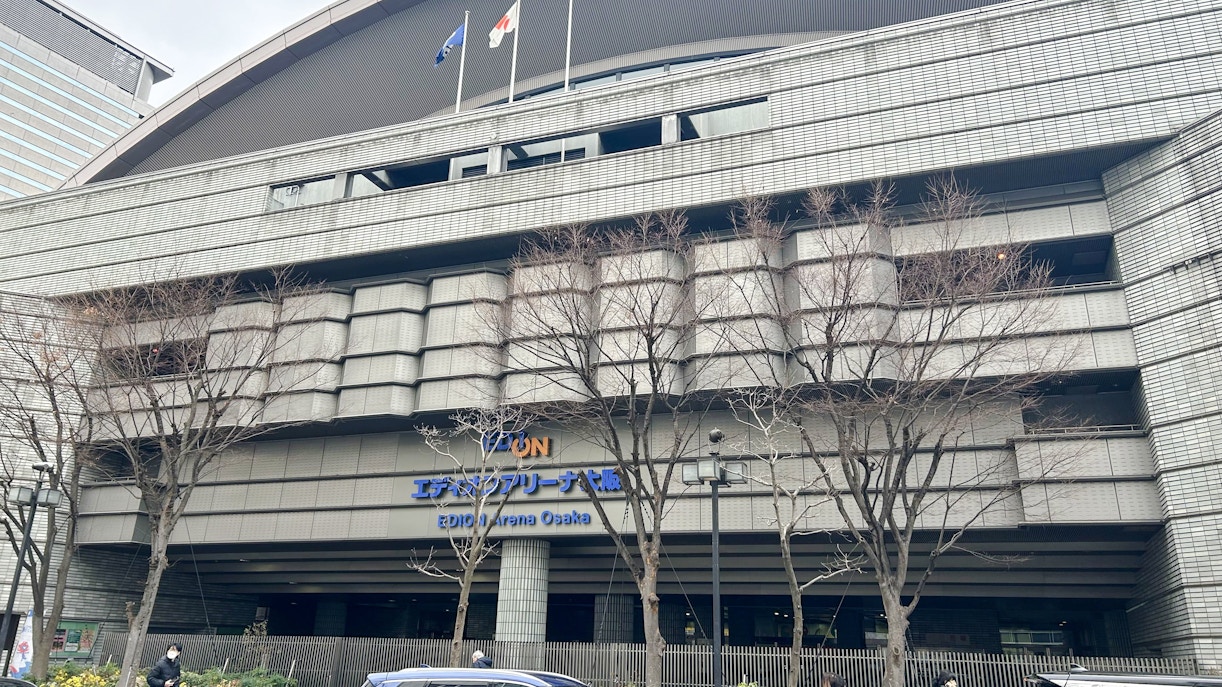
Edion Arena Osaka exterior, venue for sumo wrestling events.

Edion Arena Osaka hosts the city’s Grand Sumo Tournament each March. It’s a compact indoor venue, so chants, rituals, and bouts feel close and intense from almost every seat.

Seating wraps tightly around the dohyo, creating a focused, energetic atmosphere that builds through the afternoon as higher-ranked wrestlers appear.

How to get there: The arena is in central Osaka, near Namba. It’s a short walk from Daikokucho Station or Namba Station, both served by multiple subway lines. Allow extra travel time on tournament days due to crowds.
Things to do near Edion Arena Osaka

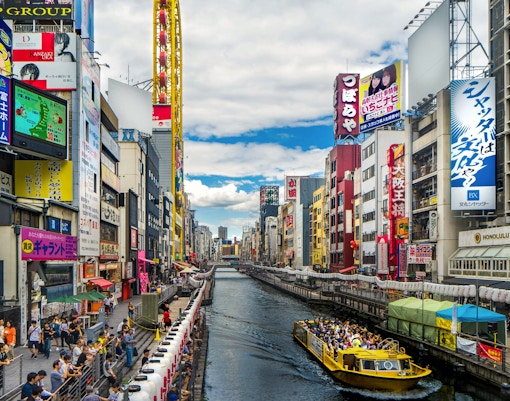
Stroll Dotonbori

Walk the neon-lit canal, try takoyaki and okonomiyaki, and soak up Osaka’s lively food scene within 10–15 minutes.
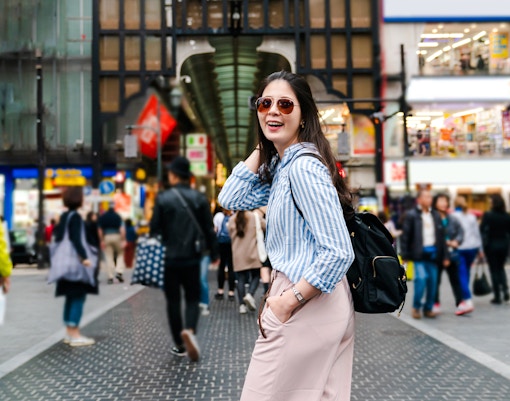
Shop Shinsaibashi

A mix of local boutiques and big brands awaits just a short subway ride or 15–20 minute walk away.
Explore Hozenji Yokocho

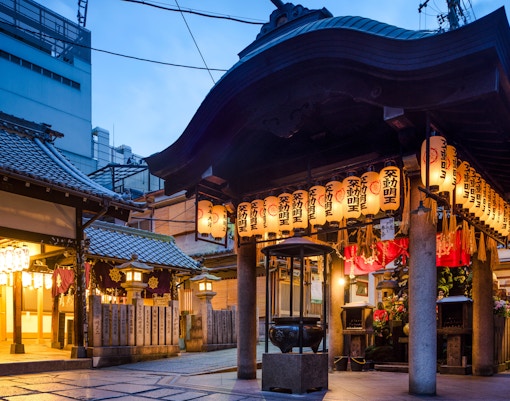
A narrow, old-world alleway full of traditional eateries and lantern-lit charm, perfect before or after a match.

Relax at Namba Parks

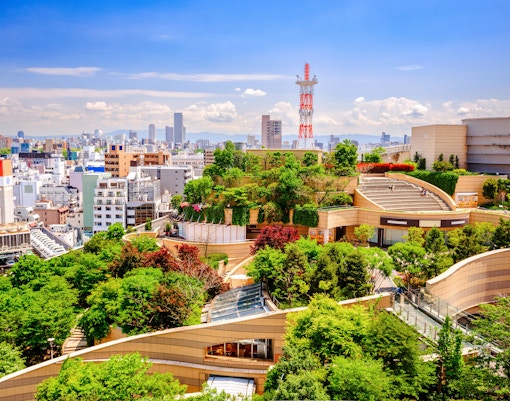
A rooftop garden complex with shops and cafes — a calm contrast to the arena’s energy.

Try local eats

Izakayas, sushi bars, and café spots dot the Namba district; great for lunch or a post-sumo meal.

Visit Nipponbashi Den Den Town

Osaka’s electronics and anime district, an easy cab or subway hop from the arena.

Frequently asked questions about Osaka sumo tournament tickets

Most tickets include access to a sumo show, workshop, or tournament seating. Guides, meals, participation, or printed materials are included only with specific options.

More reads

Tokyo Sumo Tournament Tickets

Fukuoka Sumo Tournament Tickets